COVID-19 Rehab: Your Questions Answered (And How Physio Can Help)

COVID-19 Rehabilitation and Long-COVID Recovery

It is staggering to think that these words never existed two years ago. Now, entire market sectors are dedicated to them. In January 2020, the World Health Organisation (WHO) called the new Coronavirus outbreak a “Public Health Emergency of International Concern”.

Three months later, a global pandemic was declared, and life as we knew it changed. Early on, the WHO did not expect a vaccine in less than 18 months. Then, against all odds, the world’s institutions combined their forces and produced a vaccine within 11 months.

Hope was renewed, and a way forward pathed.

With more than half of the UK population now vaccinated, it’s tempting to assume the COVID nightmare is almost over. But, this may be short-sighted. Although we’ve made progress, there’s still much more to learn about this disease before we can move on from this pandemic.

The reality is the world is healing, and many people have a long journey ahead of them.

These are the most common questions we get from patients and carers, and we hope by the end of this article you will have found the answers you’re looking for.


1. WHAT IS CORONAVIRUS AND COVID-19?

Coronaviruses (CoV) are a large family of viruses that cause illnesses ranging from mild common colds to more severe conditions like SARS and MERS. The Coronavirus at the centre of the pandemic is a new strain called SARS-CoV-2. The virus spreads through direct contact or respiratory droplets that contact the nose, mouth, or eyes. 

Data shows Black and Asian ethnic minority populations have poorer outcomes but, ongoing symptoms occur across all population groups. The WHO reports, ‘anyone can get sick with COVID-19 and become seriously ill’. Those found to be at most significant risk of severe COVID-19 illness are:

  • Men
  • People over 60
  • Those with an underlying health condition.

2. WHAT ARE THE MOST COMMON SYMPTOMS OF COVID-19?

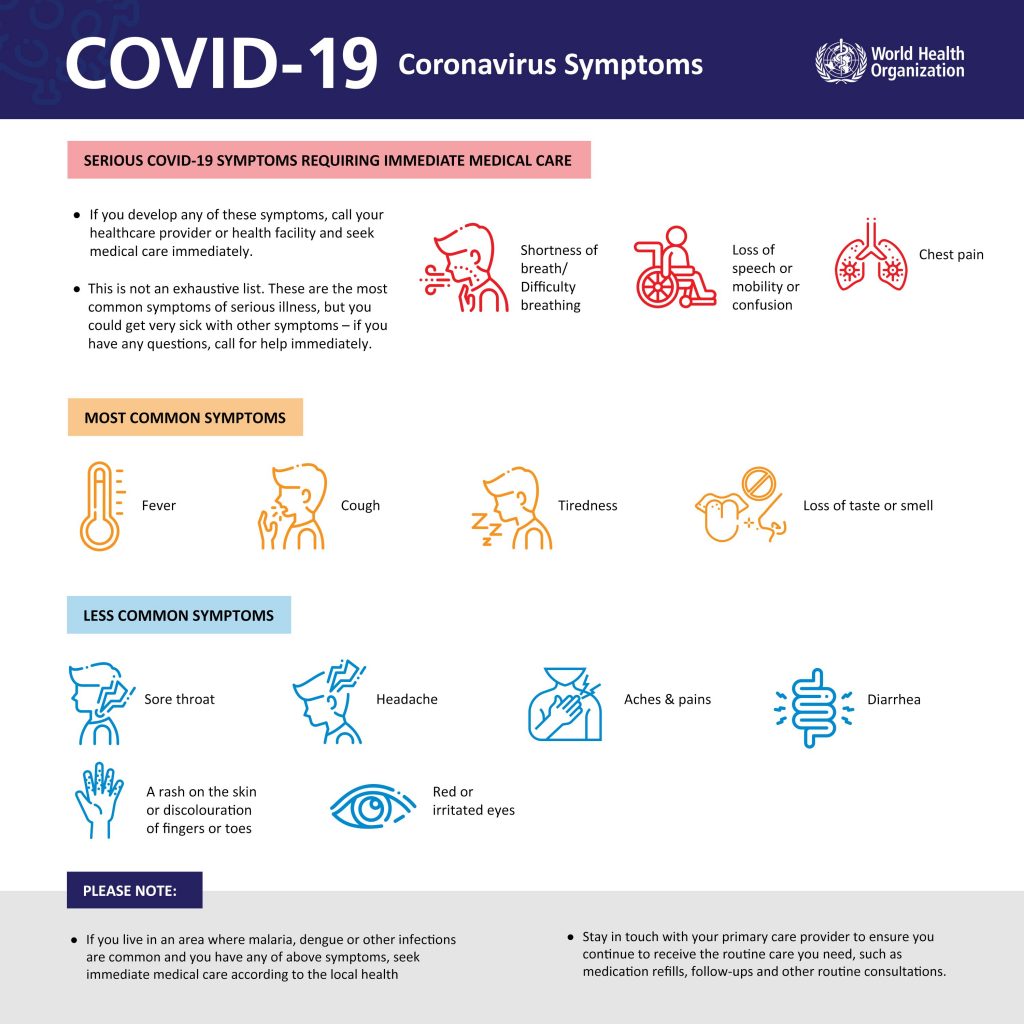
COVID-19 can show up as a mild or severe disease. In some cases, it can progress quickly, so knowing the symptoms and understanding the difference between mild and severe cases helps save lives. These are the most common symptoms:


Covid-19 rehabilitation, covid-19 symptoms

COVID-19 Coronavirus Symptoms (Source: WHO)


As with any new outbreak, little is known about the condition until more studies are conducted. Time brings more information, improved knowledge, and ultimately, better management of the disease or condition.

Since COVID-19 is a new condition, the list of symptoms may change in the future. Therefore, it’s best to keep up to date with current evidence.


3. HOW LONG DOES IT TAKE TO RECOVER FROM COVID-19?

COVID-19 recovery is different for everyone. The WHO reports most people (about 80%) will recover without needing hospital treatment. Around 15% will require oxygen treatment, and 5% will need intensive care due to critical illness.

Many people get back to their normal activities within a few weeks, but most recover within 12 weeks. Unfortunately for some, symptoms can last longer than 12 weeks. New initiatives provide guidance and support for those dealing with COVID-19, either directly or indirectly.

The NHS has done a terrific job with its website, www.yourcovidrecovery.nhs.uk. It’s an incredible resource for anyone needing support through their or a loved one’s COVID-19 recovery.


4. WHAT IS ‘LONG-COVID’?

Long-COVID is the extended period of illness after initial COVID-19 infection.

The National Institute for Health and Care Excellence (NICE) develops COVID-19 care guidance based on these definitions and timelines:

  • Acute COVID-19: Signs and symptoms up to 4 weeks
  • Ongoing symptomatic COVID-19: Signs and symptoms from 4 -12 weeks
  • Post-COVID-19 syndrome: Signs and symptoms presenting as clusters during or after COVID-19 infection, with no alternative diagnosis and lasting longer than 12 weeks
  • Long-COVID includes both the ongoing symptomatic COVID-19 and post-COVID-19 syndrome stages


Covid-19 rehabilitation, Covid-19 symptoms
COVID-19 RECOVERY TIMELINE AND DEFINITIONS

Image: Vitality Physiotherapy. Source: NICE


In a joint UCL 2021 study, researchers found patients hospitalised with COVID-19 still had symptoms more than seven weeks after hospital discharge.

These included:

  • Persistent breathlessness (53%)
  • Cough (34%)
  • Fatigue (69%)
  • Depression (14.6%)

They also found that 38% of Chest X-Rays remained abnormal and 9% showed worsening.

As much as we want this pandemic over, some symptoms are an ongoing reality in many people’s lives.

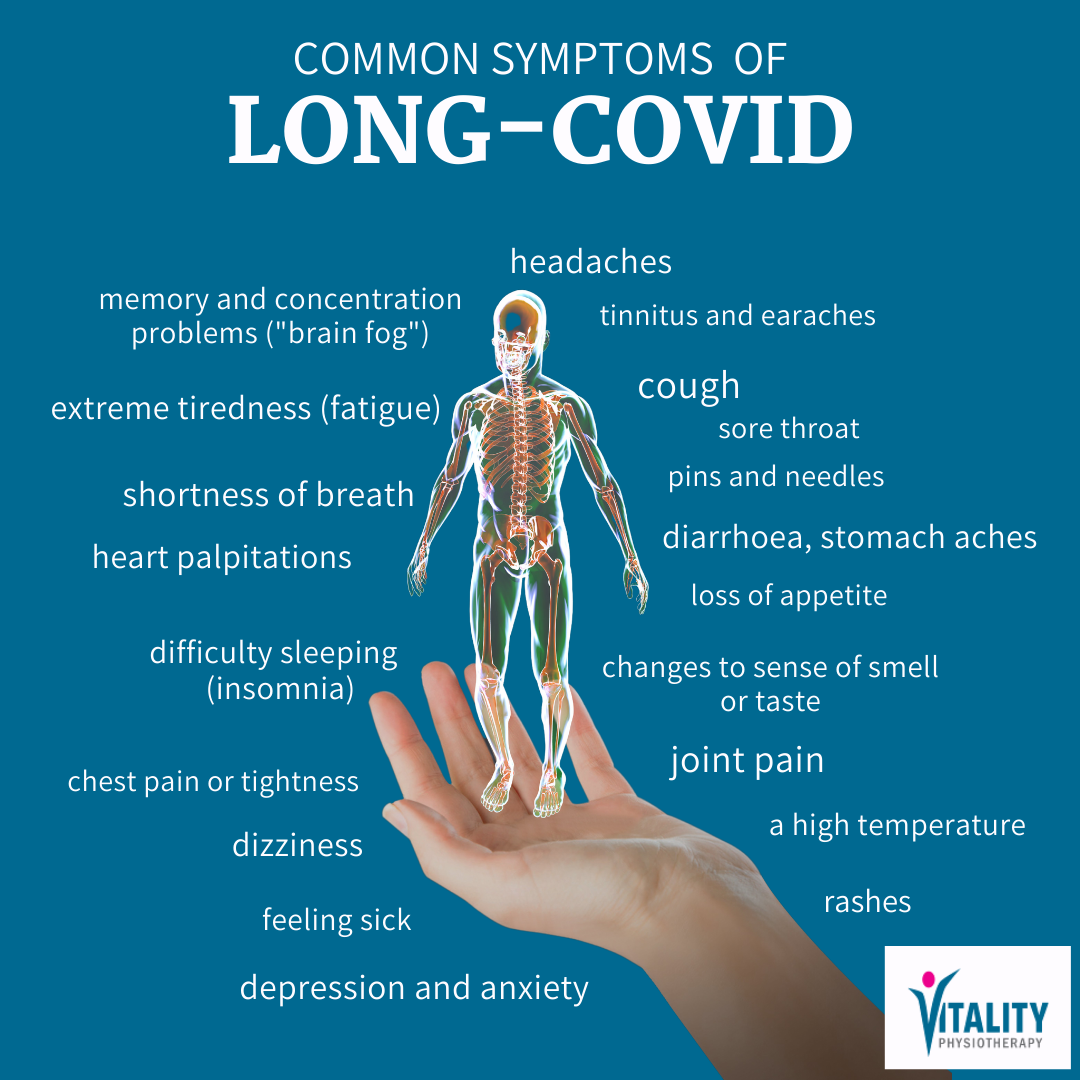
Long-COVID symptoms are wide-ranging and fluctuating, and these can change in nature over time.


Covid-19 rehabilitation, symptoms, Long covid
LONG-COVID SYMPTOMS

Image: Vitality Physiotherapy, Source: NHS


5. WHAT CAUSES LONG-COVID?

The research is scarce about the causes of Long-COVID. However, a theory about viral persistence has emerged. Certain body parts (brain, testes, eyes, spinal cord) are considered ‘safe havens’ or immune-privileged organs to our immune cells. These are ‘no-go areas’ for immune attacks.

When viruses hide out in these body sites and come out later, causing relapses, it’s called viral persistence. In these organs, damage from an immune attack is riskier than allowing an invader (a virus, for example) to infect the cells.

In June 2020, a National Geographic article called ‘How long does Coronavirus last inside the body?’ explored viral persistence and explained how it impacts your recovery. 


6. WHO CAN GET LONG-COVID?

The short answer? Anyone who gets COVID-19 can get Long-COVID. Many people believe they will not experience severe symptoms if they are not at risk.

The chances of having long term symptoms does not seem to be linked to how ill you are when you first get COVID-19.

NHS


The NHS clarifies an important aspect here – your initial and post-COVID symptoms may not be related. But why can’t we predict how unwell we’ll get with COVID-19 or tell whether we will develop long-term symptoms?


In a review into the global health strategies surrounding COVID-19, a researcher explained it like this:

‘What follows after the acute phase of SARS-CoV-2 infection depends on the extension and severity of viral attacks in different cell types and organs.’

Aging clinical and experimental research 


In other words, how sick you become after acute infection depends on how severely the virus attacked during the acute phase.

Viruses also affect our immune systems differently. Unfortunately, we cannot predict which patients will have a worse outcome from the limited clinical evidence and research data.

This NHS video discusses how post-COVID symptoms affect healthy young people. For example, a 26-year-old former marathon runner describes how ten weeks after her initial infection, she still couldn’t walk for more than 15 minutes at a time in this BBC article.

These stories, along with countless others, demonstrate that no one is safe from Long-COVID.


7. WHAT HAPPENS IN A COVID-19 PHYSIO APPOINTMENT?

Your appointment will include a thorough assessment and a concise treatment plan.

Assessment includes:

  • screen for serious illness
  • discussion about your case history to find out about your current and previous functional abilities and challenges
  • respiratory examination 
  • musculoskeletal examination

Treatment includes:

  • A uniquely designed custom treatment plan according to your specific goals and functional requirements determined in your assessment.


8. HOW CAN PHYSIOTHERAPY HELP?

COVID-19 Rehabilitation tools, techniques and exercises help:

  • Reduce breathlessness
  • Increase your lung capacity
  • Pace your activities
  • Manage fatigue
  • Improve your exercise tolerance
  • Rehabilitate muscle and joint dysfunction

We show you a way forward and help you manage your symptoms better so you can live your life.

In any holistic Physiotherapy Rehabilitation programme, an onward referral network is essential. We work with experts to help you recover fully. 

If we suspect you need further investigation, we will refer you to our trusted colleagues for extra help:

  • Specialist Medical Physicians
  • Respiratory consultants
  • GP’s
  • Psychiatrists
  • Sports and Exercise Medicine Consultants
  • Speech and Language Therapists
  • Occupational Therapists
  • Psychotherapists


There is more to COVID-19 than just a virus. You can feel the impact on every aspect of your life – physically, mentally, socially and financially.


Have you waited long enough for things to improve on their own? You are not alone on this journey – we’re on your team!

COVID-19 is a complex puzzle, and we are here to help you solve it! Don’t wait any longer to restore your quality of life and start doing the things you love again! 

Get in touch with our specialist team now!


Our Special Infection Control Measures

Physiotherapy services are open during the new Lockdown for urgent as well as non-urgent appointments, as per governmental public health advice

Providing Effective Physiotherapy During and Post Lockdown

It is of the utmost importance to us that yours and our team’s health and wellness is our priority.  We are therefore taking every precaution necessary to ensure that our clinics are a safe place for us to work in and for you to be treated.

We have looked at every aspect of our service and every point of our patient’s journey with us, making changes wherever necessary.

We will be opening our Roupell Street, Waterloo, and Esher, Surrey Clinics only until further notice.

Just some of the actions and measures…

  • We will continue to implement our already stringent hygiene measures, but further cleaning between patients and sterilising of contact surfaces after every single patient.
  • Ensure that windows are open to maximise airflow.
  • We will continue to provide video appointments as our first option to patients.
  • Face-to-face sessions will be offered to patients ensuring they meet the necessary requirements set by our professional bodies.
  • Screening all our patients 24 hours before each and at every appointment.
  • All our Team will ensure that they are symptom and will check temperature checking before their workday.
  • For your safety we will not be doing face to face treatment with anyone who is pregnant, vulnerable or over 70 years old until further notice.
  • We will ask all our patients to wear a mask to their appointment
  • Controlled access to the clinic and providing alcohol hand sanitiser to all patients on arrival.
  • We request that our patients do not come more than 5 minutes earlier to their appointment.
  • Temperature checking all patients immediately before their appointment.
  • Staggering appointment times and allowing for buffer time between our appointments to reduce social interactions.
  • Social distancing signage and reminders throughout the practice.
  • Removing magazines from our reception area.
  • No use of paper or pens in treatment rooms.
  • Intensified infection control measures in the treatment rooms and gym areas.
  • Using all the relevant and appropriate PPE (your Physio will be wearing at gloves, eye protection, a mask and apron)
  • Changing our equipment use policies

Rest assured that the health and wellbeing of all our patients and team is our primary concern.

You can help us by heeding government advice…

Current Government and NHS Advice

Please do not attend your appointment if you:

  • Have a temperature
  • Are experiencing a new persistent cough
  • Have recently lost your sense of taste or smell
  • Have been in close contact with someone who has been diagnosed with, or suspected of having, COVID-19 / Coronavirus

If this is the case, please call us to rearrange your face-to-face appointment. We will still be able to help you with an online video consultation.  

Working from Home

Working from home blog banner

1. The early bird catches the worm when you work from home 

Increasing your metabolism at the start of the day will not only make you think more clearly but improve your circulation and tissue flexibility to help stop working from home being a pain in the back! Get up at your usual time, resist the temptation to catch a few more zzz’s. Make your bed, brush your teeth, get into your gym kit and how about heading out for exercise bright and early?

2. Dress up, show up

Lounging in your snug Pj’s might sound like the easier option, but a little sprucing up and getting dressed in your usual work clothes will help you mentally relocate-also you never know you may be summoned on an urgent Zoom call!

3. Home working desk jockey kit

Ensure that you’re sitting at a proper desk and chair. Most offices have been happy to send teams the right tools such as office chairs  and desks to help minimise the impact and risks associated with the use of inadequate equipment.

4. Task master blaster!

I love ticking off a list. Sometimes I make lists containing a few things I’ve already done, just for the sheer delight of ticking the item off the list, I know… weirdo, but I’ll almost certain that I’m not the only one! Try Trello, Microsoft to- do. The added structure, the small victorious feeling you get when you tick off that task, will, if you’re anything like me, make you feel like a little Champ!

5. Food is medicine when you work from home

How about using the time gained from not commuting to prepare yourself a healthier than normal fresh lunch? Not only will it help you feel better, but your waistline will be grateful too!

6. Take a breather

Every 20- 30min, stand up, walk around- go to the watercooler-ie kitchen sink, break away area- i.e living room to boost your circulation and avoid static positions. If you’d like a free copy of our general desk exercise routine, please email us: info@vitality-physio.co.uk and we’ll send one out to you.

7. Body, Soul, Spirit

This unprecedented season has caused much worry, and the uncertainty of the future can be overwhelming at times. Home working can free up a bit more time and gives us the freedom to manage stress better. Prayer, meditation or mindfulness interrupt the negative power of stress. Headspace and Calm have great solutions, or if you’re struggling to cope or need more help, the Samaritans are there 24/7.

8. Get Connected

Yes indeed, this is a time of social distancing, but we humans are communal animals. How about a Skype lunch date or call to that person you’ve been meaning to catch up with in ages? Casual conversations with colleagues, deep musing with a friend or reminiscing with family might be exactly the little boost you (or they) may need during the day. So, work from home but stay connected!

Despite closing our clinics, we are still operating our Physiotherapy services. We know that your treatment to alleviate pain, weakness and continue your post and pre surgical care is paramount to your physical and mental wellness and therefore we are staying open for online appointments only.

Physiotherapy video consultations are evidence based and have proven to be clinically effective to treat musculoskeletal conditions. During your consultation, your Physio will be able to establish a diagnosis and offer you treatment through exercise as well as manual therapy and self-mobilisation techniques, offer technical expertise, advice and guidance on your condition, your exercise regime or training plan.

Book online here: https://www.vitality-physio.co.uk/book-an-appointment-online/

Drop us an email: info@vitality-physio.co.uk if you have any questions or concerns.

Finally, may you find peace in the chaos, joy on tough days and the wisdom to keep mobile and active!

Janine

We are still open for in person consultations at our clinics as well as for video consultations

FOR THE CURRENT LOCKDOWN 2.0 PLEASE NOTE THAT WE WILL REMAIN OPEN FOR IN PERSON CONSULTATIONS AT OUR CLINICS, AS PER GOVERNMENT GUIDELINES

During the first lockdown, we made all our Physiotherapy consultations vitual. We quickly realised that our online service was a huge benefit to our patients who found the service to be both convenient and effective. It’s been so popular that we have decided to keep offering our virtual service to our patients on an ongoing basis.

How does it work?

Physiotherapy video consultations are evidence based and have proven to be clinically effective to treat musculoskeletal conditions, and at Vitality Physiotherapy this is not the first time we have used such tools.

During your consultation, your Physio will be able to establish a diagnosis and offer you treatment through a custom made exercise plan as well as manual therapy and self-mobilisation techniques, offer technical expertise, advice and week on week guidance on your condition, your exercise regime or training plan.

Book your appointment here

Our Waterloo location has reopened!

The wait is over and the clinic has now been completely refurbished.

Come and visit us at Roupell Street from Monday the 24th of February and enjoy our new comfortable setting.

Picture by Tom Reading – Creative Commons Attribution 2.0 Generic (CC BY 2.0)

Our Waterloo location has re-opened!

The wait is over and the clinic has now been completely refurbished.

Come and visit us at Roupell Street from Monday the 24th of February and enjoy our new comfortable setting.

Picture by Tom Reading – Creative Commons Attribution 2.0 Generic (CC BY 2.0)


Temporary London location while we are refurbishing!

We are pleased to announce that the Clinic will be undergoing large scale renovations this Summer. We expect works to be completed by November 2019. In the meantime, we will be treating all our patients a mere stone’s throw away, still in Southwark.

We will be running our clinic at:
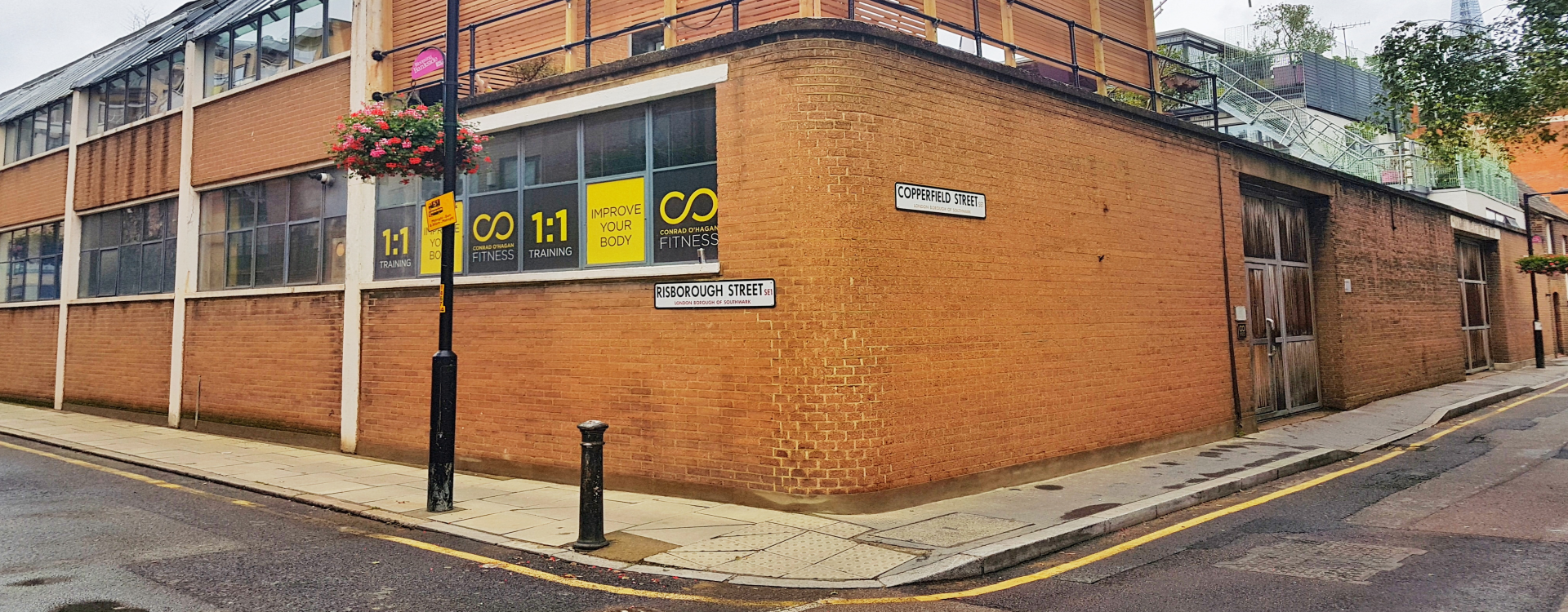
Conrad O’Hagan Fitness Studio
38 Copperfield St, London SE1 0EA

You can still book online as usual here:
https://www.vitality-physio.co.uk/book-an-appointment-online/

Should you have any questions or concerns, please email us on info@vitality-physio.co.uk or call us on 020 7193 9928.

Top 5 Summer injuries and how to prevent them

1. Gardening injuries

We kicked off June with a very balmy Jubilee weekend and it’s been a brilliant summer so far! If you enjoy a chilled glass of rosé, weekend BBQs, and a spot of gardening too, you’ve found good company!

Gardening injuries, however, are quite common, so here are some handy hints to help you get the most of your long summer days. Extended pruning time, using inappropriate tools, and heavy lifting with poor technique are often the biggest culprits!

Try the following to keep your love for gardening alive:

  • Warm up before you weed-up! Try taking a brisk walk to get your heart rate up, prior to starting your gardening session.
  • Sit on a stool or kneel on foam pads to help prevent knee and back pain when planting or weeding.
  • Long handle tools will reduce the work and prevent you from overstretching.
  • Impose a 20-minute limit (to make a cuppa of course) to take a short break especially if you’re a gardening novice!

Don’t spoil a perfect day in the garden with a pesky injury! If you have any questions about an injury or wondered whether we can help, book a free 15min call to chat about how we could help you.

2. Neck strains

If catching some rays on your back is a priority this summer, be sure to set a timer or get someone to wake you. Apart from the obvious perils of turning into a lobster and the pain associated with it, getting a stiff neck from lying prone (on your tummy) on the beach will certainly put a damper on your holiday. Reading for long periods on a sun lounger can also cause a crick in the neck, so be sure to do a few neck stretches every so often to keep your neck mobile. Here are some useful neck stretches to try. 

  • Tilt your head to one side and hold for 15-20 sec and then to the other side. 
  • Roll your shoulders forwards 5 times and then backward. 


3. Running shin splits 

Trying to get beach-fit quickly? Trying to run away those extra pounds? A sudden increase in running thresholds (especially if you’ve never run) is one of the biggest single causes of shin splints. This, together with wearing inappropriate footwear, a higher BMI and flat feet are among the top factors that can result in shin splints. Try switching to swimming or cycling instead and seek physiotherapy advice before hitting the pavement again to avoid this common summer injury.  


4. Plantar fasciitis

In warmer weather, we tend you to swap our more supportive shoes for flip-flops, pumps, and sandals. Whilst increasing the airflow helps us feel cooler, our feet have to work a lot harder to help us move. This can cause aching burning feet at the end of the day. The intrinsic foot muscles may have deconditioned over the long winter and therefore be subject to strain and fatigue. If you suffer from burning feet, try doing the following: 

Place a bottle of water in the freezer for an hour or so. Place it under your foot to act as an ice roller- trust me, it will absolutely hit the spot to relieve your burning feet! 


5. Cycling injuries 

Fair weather cyclists the world over can all relate to a “dead pinky” or lower back pain after getting into the saddle. Bike setup is crucial to your cycling comfort and can also contribute to the work of cycling. Your pre-bike fitness however will set you up to ensure you’re recruiting the correct muscles for your pedal power and avoid injury. Weak glutes are sometimes responsible for overworking the lumbar spine or hamstrings. A simple bridge exercise is useful for hip mobility and strength, particularly for cyclists as it replicates the action of the downward force of pedaling and isolates glut muscles.  


We hope that these few simple golden nuggets will help keep those summer injuries at bay and that you have a wonderful and long summer! 

5 injuries you didn’t think you could get from cycling

1. Runner’s knee

Yes, I said it! You can get runner’s knee from cycling. Contrary to popular belief, this painful problem is not confined to those who hit the pavements in their trainers alone. In fact, there’s a growing number of cyclists that land up on my treatment table that have been plagued with this pesky problem. The problem with cycling (cue “gasp” from our lycra-clad friends) is that the answer may not always be straight forward.

Read More

Football season is on: watch that hamstring!

The Premier league season has just started with a couple of big surprises already. The transfer market is heading for a record this year but the number one priority of every club will be to keep their players in shape, whether they are new recruits or existing ones.

Hamstring injuries in particular will be watched very closely by the clubs’ physios. According to Football Association Medical Research Programme, hamstring strains are the most common injury sustained costing an estimated 90 days and 15 matches missed per club per season. [1]

Read More