Specialist Pilates for pregnancy

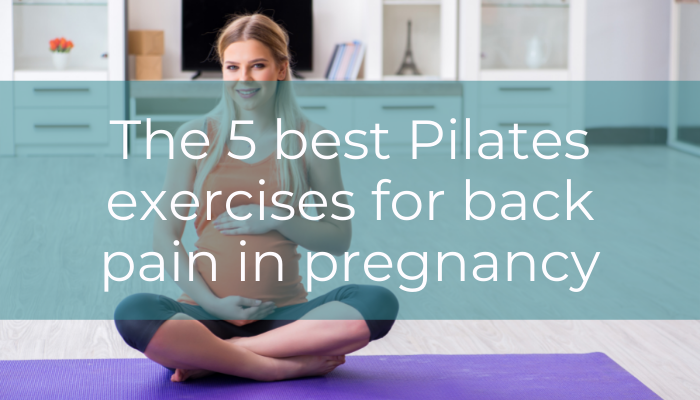
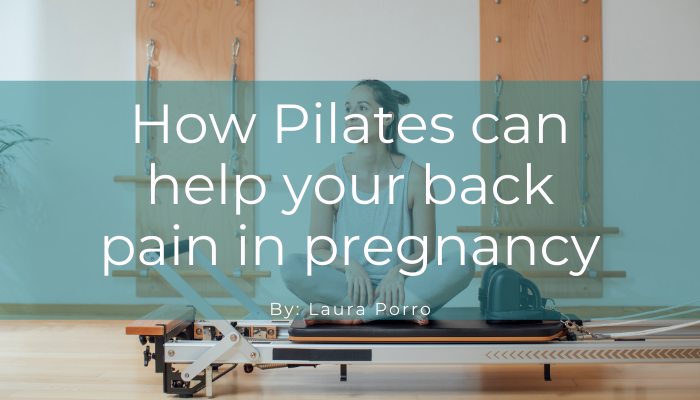
In our recent blog, we talked about back pain during pregnancy. Let’s take a look at how a specialist Pilates programme can support the health and good functioning of the pelvic floor in women and men, thus mitigating the risk of developing back pain and reducing it when it occurs.

What is Pilates?

Pilates is a system of training for the body and mind, based on principles created by Joseph Pilates.

By fostering a deep connection between body and mind this incredibly graceful exercise, creates a unique awareness and focus. Pilates practice leads to an intense and deeply satisfying workout, which leaves you feeling stronger, more flexible and at ease in your body.

During a Pilates session at Vitality, you use a range of small props (such as bands, balls, and weights) and equipment, including the Reformer.

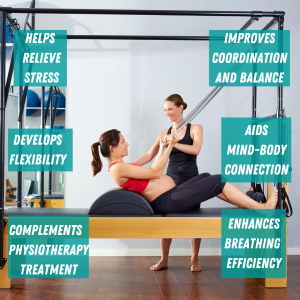
Pilates is the optimal complement to other physical rehabilitation and training programmes, such as physiotherapy, because:

  • It helps re-integrate the injured joint with the rest of the body.

  • It restores and re-trains optimal movement patterns, to prevent the recurrence of issues.

  • It addresses the postural factors that contribute to injury and pain.

The powerful changes that Pilates can bring

How does Pilates help pelvic floor issues?

Pilates exercises can mitigate and improve the following conditions caused by pelvic floor issues:

  • Back pain.

  • Urinary incontinence.

  • Anal and vaginal air.

  • Recovery from vaginal birth and episiotomies.

  • Prolapse.

  • Pelvic floor muscle disorder and pain.

A Pilates-based pelvic floor reconditioning programme focuses on:

  • Training the deep core muscles of the inner unit (transversus abdominis, multifidi, diaphragm). This means conditioning these muscles and learning how to coordinate them.

  • Developing efficient breathing mechanics. Optimal intra-abdominal pressure is needed to ensure the correct functioning of the pelvic floor muscles.

What does this look like in practice?

During a Pilates session at Vitality, our specialist will take you through a series of exercises to condition:

  • The abdominal muscles (lower abdominal fibers and transversus abdominis). For instance, you will perform exercises in a supine position where the spine is neutral and the hips move, e.g. lifting your legs up.

  • The back extensors. For instance, exercises in a prone or standing position where the spine is extended or stabilised against gravity, e.g. moving your limbs when in four-point kneeling.

  • The diaphragm. For instance, breathing exercises to practice coordinating the different muscles in the inner unit, and to practice moving in sync with different breathing patterns, e.g. the classic Pilates exercise ‘Hundred’.


How do I know if I need this?

If you are experiencing lower back pain or any other of the symptoms listed above, book your assessment with us. Our experts will determine the root cause of your issue and develop a personalised programme tailored to your needs and goals.

Back pain in pregnancy

The third trimester promises that the fulfillment of the joys of pregnancy is imminent. Your little bundle of love is almost ready to arrive on dry land to say “hello world”.  Now, the second trimester brought with it the fun days of nesting, energy, glowing skin (for some) a nice, neat bump to be proud of. Your forte was planning and organising, everything was peachy.  However, with less than three months to go something seems to be going to pot. Yes, I have been there too! As a mom of two, I can totally relate to the tricky third trimester where back pain is prevalent amongst many pregnant women (every second one of us).  

Back pain can be experienced in all stages of pregnancy. Often regarded as a self-limiting problem, many women are left in the dark to scrounge around the internet to find some solutions. It DOES NOT have to be this way. But first, let’s clear up a few important facts about back pain in pregnancy: 

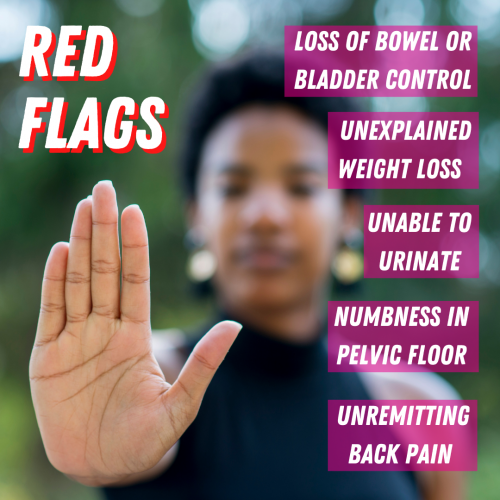
 Not ALL back pain in pregnancy is self-limiting. You should see a doctor immediately if the following occurs: 

  • You’re unable to pass urine 
  • You have a complete loss of bowel or bladder control 
  • Unremitting (day and night) severe back pain 
  • Numbness in the groin, genitals, and bottom 
  • Sudden unexplained weight loss 

The above is not that common (about 2% of pregnancies).  However, NEVER ignore them!  They could be as a result of a concerning condition called Cauda Equina syndrome.  Your spinal cord may be compressed which may result in permanent nerve damage. You should seek a surgical opinion in A&E as a matter of priority. 

So, what causes back pain in pregnancy? 

Back pain is complex and multidimensional, yes even in pregnancy. Our beliefs, lifestyle, habits, diet, health, sleeping, resting, exercise and emotions can influence it.  

The obvious scapegoat is the cocktail of hormones to many an expectant mom in pain. I felt so guilty, when I was sick, in pain, or could not sleep at night because I was meant to be endlessly grateful for the hormones giving my growing baby all the best to expect in Chez Utero.  

What do hormones do for us?

If our brain was the mothership for all human conscious and unconscious processing, our endocrine system would certainly be the first commander for all missions. The entire development of the baby from when they are simply two cells with ½ the DNA each on a mission to unite, divide, thrive, and conquer is controlled by hormones. In the early stages,  

FSH (follicle stimulating hormone) is responsible for the growth of eggs in the ovaries. 

hCG (Human chorionic gonadotrophin) is a hormone produced by the cells that surround the early embryo and can be detected in the urine after as little as 7-9 days after fertilisation.  Over the counter pregnancy tests reveal the presence of this hormone and hence whether you are pregnant. Those cells that produce hCG go on to form the placenta. 

Oestrogen 

Not only is a female’s sexual development and menstrual cycle, but this hormone is also the wonder hormone that protects bones and joints. Oestrogen not only helps the uterus grow but maintains uterine lining too, but acts as an important, regulator for other hormones. Oestrogen also helps the development of baby’s organs. This powerful hormone also causes pregnant women to have a stuffy nose and causes hyperpigmentation patches on the skin. 

Progesterone  

Progesterone helps to regulate the menstrual cycle, and in pregnancy, helps thicken the lining of the uterus. The lining is like a soft cushion ready for a fertilised egg. The ovaries usually produce progesterone but when pregnancy occurs, higher levels are produced by the placenta. Progesterone together with, relaxin are on a common mission to prepare the mom’s anatomy for later pregnancy and eventually labour.  They help soften ligaments and cartilage, and make a mom’s joints more pliable and mobile to allow for the growth of your little one.

Relaxin 

I remember when I first read about this hormone as a 4th year Physiotherapy student, I was convinced it was an oversimplified and convenient name for a hormone, (akin to renaming the uterus- the womb). But no, it is indeed the scientific name and relaxin meets the full expectation of what it sounds like. Over each trimester it “relaxes” or softens your ligaments and joints in preparation for labour. However, because the hormone is released into your circulatory system, it does not only affect the pelvis but the entire body, making joints more mobile. It can sometimes cause you to feel unbalanced too. In the third trimester, relaxin also softens widens, and lengthens the cervix.  

Oxytocin 

Dubbed as the love hormone, oxytocin has been found to be present in higher volumes in people in the early stages of romantic attachment.   The warm fuzzy feelings like trust, security, and contentment are linked to oxytocin too. In pregnancy, it is mostly known for stimulating labour contractions. Once your little baby has been born, it helps mobilise milk into the breasts and also aids with decreasing the size of the uterus.  

 Watch this handy video about what hormones do in pregnancy:

Biomechanics 

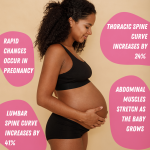
The incredible multiplication of cells is complex, beautiful, genetically predetermined. This astounding process mind-blowing to say the least is so rapid, with profound changes in ligament laxity and an enlargening uterus. Your centre of gravity moves forward, a lot!  So, the lumbar spine and sacroiliac joint have to work harder to withstand these changes and increase in load. Let’s put this in context. According to Yousuf et al. 2011, the angle of the thoracic spine curvature increased by 12% between 12 and 22 weeks and increased by a total of 24% between 12 and 32 weeks.  They also found that the lumbar spine curvature increased by 18% between 12 and 22 weeks and by a total of 41% between 12 and 32 weeks.  The human spine is robust and responsive to change, however, these rapid changes in the spinal curvature can sometimes cause overload, and if the supporting muscles and structures are not robust and strong enough, it will cause a failure of the tissues, and can cause a strain on discs, facet joints and the sacroiliac joint too.  

 Similarly, as the baby grows in size, the abdominal muscles stretch and lose their effectiveness as dynamic stabilisers of the lower back too. Sometimes the muscles can separate (diastasis recti) which can cause an inefficiency in the way your back and sacroiliac joint tolerates load and can cause pain too.

Weight gain

Have you heard the urban legends and old wife’s tales before?  

 “Eat what you want- you’ll lose it when you give birth” 

“The baby will keep you busy and the weight will fall off” 

“Keep eating, the baby gets it all” 


There are others too, some so ridiculous, I cannot even bear to type them!  According to a 2020 study, women with a Gestational weight gain (GWG of ≥15 kg) had a higher prevalence of persistent lower back pain. But why? The reason may not be as simple or obvious. The reality is that our spines are strong, robust, and resilient and can withstand load. We will keep reminding you of this because there are far too many worry mongers out there spreading false information.  In 2014, researchers found that BMI (body mass index) did contribute to back pain but did not necessarily cause structural changes in the spine. However, increases in adipose (fat) tissue may cause metabolic changes that could be responsible for back pain. In patients with a BMI over 30 overexpressed pro-inflammatory cytokines are present. Those increased levels of cytokines are considered to be the link between obesity and inflammation 

Why should you avoid obesity in pregnancy?

Elevated levels of chronic inflammation can cause and detrimentally increase leptin in the body. Leptin is a hormone in the body, secreted by fat cells that helps us regulate our body’s energy. Too much leptin will stop your hypothalamus from knowing when it is full. (The hypothalamus is in the middle of the brain and lets us know when we are full and satisfied by food, or thirsty) The more fat cells that we have the more leptin your body will make. So, too much leptin means not knowing when you are actually full! Therefore, again we can see that maintaining a healthy BMI during pregnancy will help you know when you have eaten the correct amount of food!


Stress and anxiety 

Pregnancy is a life-changing life moment and can come with a rollercoaster of emotions, highs, lows, even the expected. Birth stories, the financial considerations of preparation for your little one, changing family dynamics, the impact on relationships can all set your mind racing. Everybody responds differently to stress, some of us need it to motivate us and some of us suffer negative consequences. A recent study amongst healthcare workers showed that psychological stress increased the incidence of lower back pain. There’s plenty of evidence in good-quality research about the negative effect that stress has on back pain. Pain is complex and has many dimensions and should not be oversimplified. There are so many contributing factors! Perceptions, history, and social factors also play an important part. We call this the biopsychosocial framework. A complex model demonstrates that pain is complex and multi-factorial. I prefer calling it the patient-centered approach. What we need to understand is that pain has many influences and that a variety of psychological and social factors not only affect back pain but also can impact your life, and function.  

Survival of the fittest, does stress really need us to react this way?

Stress, can raise your body’s resting cortisol, stimulate, and exhaust your fight or flight system (sympathetic nervous system) and perpetuate pain. The stress associated with having a baby and the chemicals associated with that can then make it easier for future stresses to bring on pain. It becomes a bit like a trigger such as a piece of music or a fragrance that can remind you of a specific moment in your life. Inevitably over time, this can change the way the body behaves. Eventually, this can actually cause a depletion of serotonin (happy hormones). 


We live in a stressful world, so what?

Stress is a normal part of life. It is not the stress that is bad but our response to that stress. If you have a big increase in stress or something has changed in your life where it’s harder to cope with stress, then stress can increase your sensitivity and can increase your chance of having pain. Not only is stress (and stress tolerance) related to the persistence of pain, it is also related to how we recover. Prominent levels of stress can impair our recovery from physically taxing components of our lives. Sometimes a  stressful or traumatic event can cause us pain. That stress and the chemicals associated with that can then make it easier for future stress to trigger pain.  Has a song or smell ever brought a memory back to your mind? So too can a stressful moment trigger pain.  It does not mean that you are weaker or have injured or re-injured yourself! All it means is that you have a heightened sensitivity  and it’s easier for normal life stressors to trigger a pain response. 

Lack of sleep 

Sleep is protective. It helps us to both heal recover. A powerful desensitizer, often more potent than medicines. It builds our tolerance to all the things that can sensitize us. Lack of sleep (less than 7 hours for some) or interrupted sleep can sensitize you. So, perhaps your pain should be 1/10 but consistently missing sleep amplifies that pain to 4/10. . Lower levels of sleep have been linked with both increases in injury (e.g stress factors in athletes or the military) and increases in pain related to changes in the nervous system’s sensitivity. In his book “Why we sleep” by Matthew Walker, shares  two of his sleep studies- one online and the other in a sleep lab. Walker shows how sleep deprivation and poor quality sleep affect the brain and how we perceive pain.

Does a lack of sleep make you feel grumpy?

Walker found that there was increased activity in the pain centres of the brain (the somatosensory cortex) and not to our surprise, decreased activity in the reward seeking part of the brain (nucleus accumbens) . Dopamine, the “feel-good hormone” is a neurotransmitter. It’s associated with satisfaction, pleasure, and rewards. Eating a delicious meal, winning a game or helping someone in need caused a  surge of dopamine in the brain! Dopamine helps obtain goals, through the feelings of  pleasure-reward  and also helps us avoid unpleasant or painful stimuli. So, a lack of sleep caused decreased levels of dopamine and hence explains the misery we often feel when we lack sleep.

What is pain sensitivity and what does it do?

Another key brain region found to slow down in the sleep-deprived brain was the insula, which evaluates pain signals and prepares the body to respond. Even small changes in sleep patterns showed changes in pain sensitivity. This means that even slightly less sleep in a night showed that patients experienced higher levels of pain the next day. The self-preserving part of the brain analyses pain and picks our own body’s painkillers to kick in to help. However, a lack of sleep causes this mechanism to not work as efficiently. 


It’s really important to us at Vitality Physio to debunk myths and give answers to our patients about their pain. We will empower you to understand, manage, cure, and prevent injury.  Book with us for a free chat about your back pain and we can advise the best ways to help! Whichever stage of pregnancy you’re at, you can count on us to help you with your back pain. 


ACL injuries in football

ACL Injuries in Football: What You Need to Know — and How to Get Back on the Pitch

An ACL injury is one of the most feared diagnoses in football. The crack, the instant instability, the sinking feeling — and then the long road ahead. But here’s what we know: with the right rehab, most players return to the game they love. This article covers everything you need to understand about ACL injuries — what causes them, what recovery looks like, and what it takes to get back on the pitch safely.

What Is the ACL — and Why Does It Matter?

The anterior cruciate ligament (ACL) is a band of connective tissue that connects your tibia (shin bone) to your femur (thigh bone) inside the knee. It does two critical jobs.

Mechanical stability: it stops your tibia from sliding forward on your femur and controls rotational forces through the knee.

Sensory signalling: the ACL is densely packed with nerve receptors that act as a data centre for your brain, relaying real-time information about your knee’s position, tension, and movement as you run, jump, twist, and change direction.

When the ACL is damaged, you lose both. The knee feels unstable. Your brain loses the fine-grained feedback it relies on to coordinate movement. That’s why ACL rehab isn’t just about rebuilding strength — it’s about retraining the whole neuromuscular system.

How Do ACL Injuries Happen in Football?

Not how you might think. A landmark 2020 study published in the British Journal of Sports Medicine examined 134 ACL injuries in elite football players and found:

  • 44% were non-contact injuries
  • 44% were indirect contact injuries
  • Only 12% involved direct contact to the knee

That’s 88% of injuries with no direct blow to the knee. So what’s actually causing them?

The mechanics of injury

The most common triggers were:

  • Pressing (47%): the high-intensity movement to win the ball from an opponent
  • Being tackled (20%): defensive body contact while in possession
  • Kicking and balance (16%): maintaining stability during or after a strike
  • Landing from a jump (7%): particularly on one leg with rotational forces

A key finding was mechanical perturbation — when a player’s upper body is bumped or pulled while their lower body is planted on the ground, the resulting twisting force through the knee dramatically increases ACL injury risk. Pressing, tackling, and defensive actions are all high-risk moments, not because players are colliding knee-to-knee, but because of the aggressive whole-body movement interactions involved.

The high-risk position: dynamic knee valgus

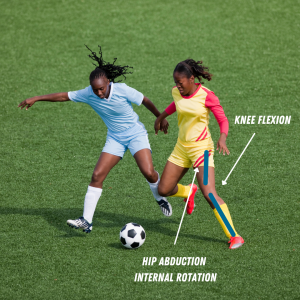
The most common mechanism of injury is dynamic knee valgus — where the knee collapses inward as the hip rotates internally and the foot is planted. This position places enormous stress on the ACL. It’s most likely to occur during deceleration, landing, or a rapid change of direction. It can also happen subtly during pressing and tackling when the player is off-balance.

Identifying and correcting this movement pattern is a cornerstone of both ACL rehab and injury prevention.

Timing: when in the match do injuries happen?

The same 2020 BJSM study found that 25% of all ACL injuries occurred in the first 15 minutes of the match — before fatigue can be blamed. This matters because it shifts the conversation away from ‘the player was tired’ and towards readiness: how prepared is the neuromuscular system at kick-off?

Proper warm-up, cognitive readiness, and pre-match activation are not optional extras. They are injury prevention.

A Note on Female Athletes

Example of dynamic valgus load on knee.

Female footballers face a significantly higher risk of ACL injury than their male counterparts — estimates range from two to eight times higher, depending on the sport and study. Contributing factors include differences in hormonal fluctuation across the menstrual cycle, biomechanical differences in landing patterns, and neuromuscular control. At Vitality Physiotherapy, our team has specific expertise in female athlete ACL rehab and prevention — something we factor into every programme we design.

Is an ACL Tear Career-Ending?

“Be patient, don’t cut corners, and do everything the Physio tells you.” — Alan Shearer CBE

No. And there’s compelling evidence to back that up.

A widely cited study reported that 83% of athletes return to professional sport following ACL reconstruction. The key variable isn’t the injury itself — it’s the quality of the rehabilitation.

Consider Alan Shearer. On Boxing Day 1992, playing for Blackburn Rovers against Leeds United, he ruptured his ACL in the first half — and didn’t realise it. He went on to score twice in a 3-1 win. After surgery and a structured rehab programme, he returned the following season to score 31 goals in 40 games. He credits that return to one principle: do the work, follow your physio, don’t rush it.

The players who struggle to return are, more often than not, those who return too soon — before their knee is truly ready.

How Long Does ACL Rehab Take?

The standard timeframe is 9 months — but this is a minimum, not a target. Virgil van Dijk returned at 9 months after his 2020 injury. Others take 12–18 months to reach full competitive fitness. The timeline depends on:

  • Whether you had surgery or are managing conservatively
  • The extent of any associated injuries (meniscus, other ligaments)
  • Your pre-injury fitness level
  • How consistently and intelligently you complete your rehab
  • Your neuromuscular readiness — not just structural healing

The research is clear: returning at 9 months carries a significantly lower re-injury risk than returning at 6 months. Every week of quality rehab reduces that risk. There is no shortcut that doesn’t cost you later.

What Does ‘Ready to Return’ Actually Mean?

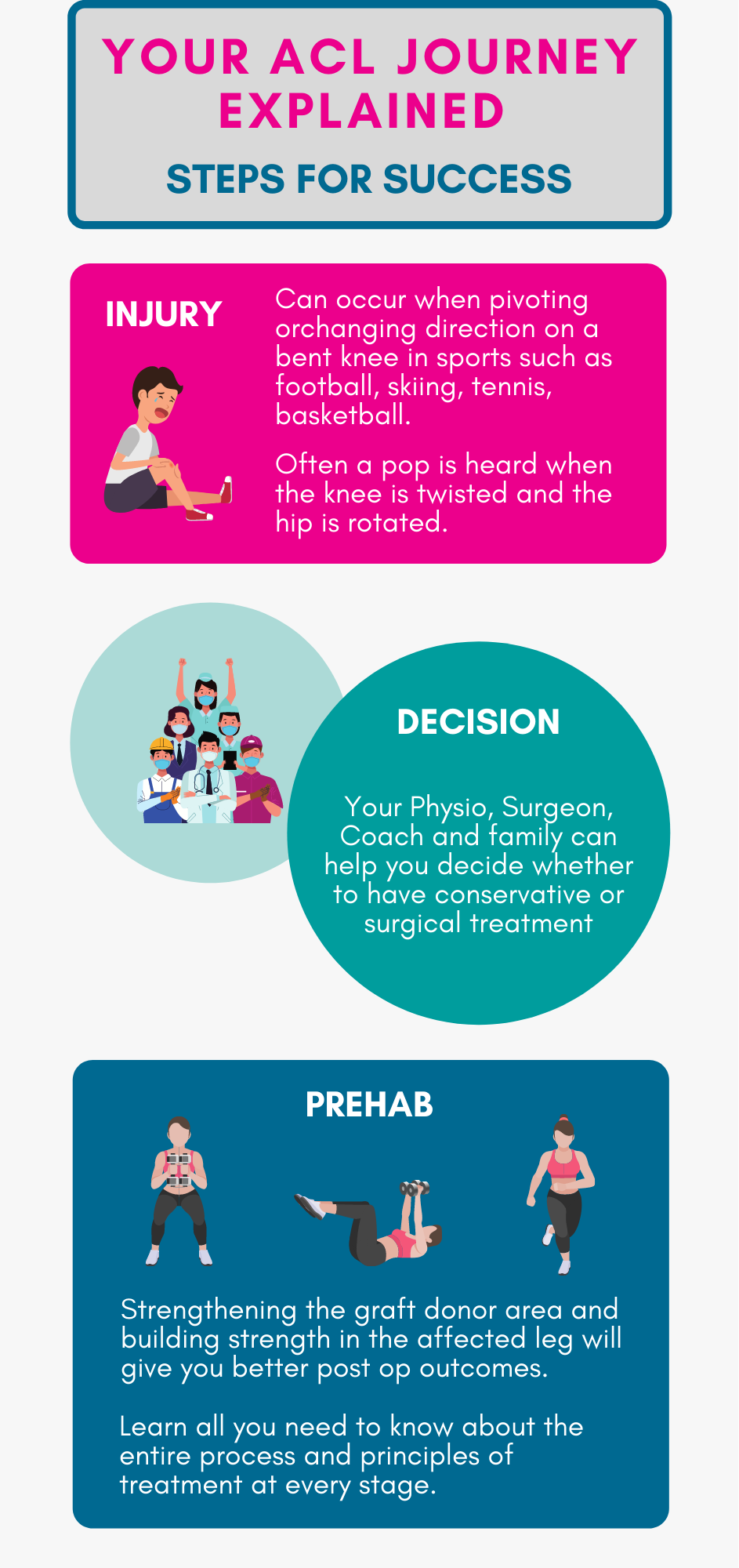
Football ACL injury infographic by Vitality Physiotherapy

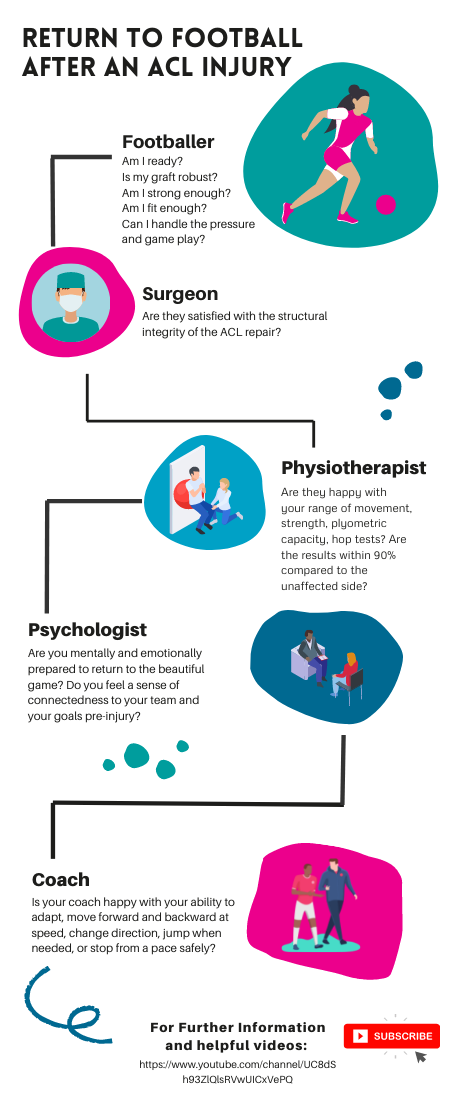
Return to football infographic by Vitality Physiotherapy

Return-to-play is not a date on a calendar. It’s a decision made by a team — athlete, physiotherapist, surgeon, coach, and sometimes a sports psychologist — using objective data. Here’s what that looks like in practice.

The athlete

Do you trust your knee? Can you commit to a tackle, a sprint, a jump — without hesitation or fear? Psychological readiness is not a nice-to-have. Fear of re-injury is one of the strongest predictors of not returning to pre-injury performance levels. Your inner voice matters as much as your single-leg hop score.

The physiotherapist

Your physio needs to see objective evidence of readiness across multiple domains:

  • Strength and power: can you achieve 90%+ limb symmetry on strength testing?
  • Hop testing battery: single leg vertical hop, forward hop, timed 6m hop, triple hop, triple crossover hop, lateral hop, medial hop, and their rotational variants. This isn’t an arbitrary list — each test assesses a different demand of football movement.
  • Neuromuscular control: reaction times, adaptability under fatigue, dynamic balance
  • Movement quality: can you decelerate, change direction, and land without compensating?

The surgeon

Structural integrity matters. Your surgeon will assess graft healing, range of movement, and whether the reconstructed ACL has the mechanical properties required for full sport. A happy surgeon means a structurally sound knee — but structural soundness alone is not clearance to play.

The coach

Pitch-based performance has to match the test results. Can you accelerate and decelerate at full speed? Change direction under pressure? Jump and land when required? React to a ball coming at you unpredictably? Return to training is the bridge between rehab and competition — it shouldn’t be skipped.

The role of cognitive training

A 2021 study found that cognitive skills, reaction time, and processing speed are significant factors in preventing ACL re-injury. This is why progressive, evidence-based ACL rehab includes reactive drills — small-sided games, decision-making under pressure, gates games, possession exercises. The nervous system needs to be retrained, not just the muscles.

Physical fitness without cognitive and neuromuscular readiness is a re-injury waiting to happen.

The Final Whistle

An ACL tear is not relegation. It is a significant injury — but it is one that, with the right support and the right approach, most players recover from fully.

The players who come back stronger are the ones who take the rehab seriously, trust the process, and resist the temptation to rush. There are no shortcuts — but there is a clear path.

At Vitality Physiotherapy, we have the clinical experience, the protocols, and the team to take you from injury to full return to football — whether you’re playing Sunday league or semi-professionally. We work across our Southwark (SE1) and Esher (KT10) clinics, and we’d love to support your recovery.

Want to talk through your injury? Book a free 15-minute call with one of our ACL specialists — from the convenience of home.

Call us: 020 7193 9928

Email: info@vitality-physio.co.uk

References

Della Villa F et al. (2020). Football ACL injuries reloaded. British Journal of Sports Medicine Blog.

Ardern CL et al. (2018). Return to sport following ACL reconstruction. British Journal of Sports Medicine.

Grooms D et al. (2021). Cognitive and neurological contributors to ACL re-injury. Journal of Orthopaedic & Sports Physical Therapy.


ACL injuries


We've all come across a friend or famous athlete who has had their season cut short through an ill-timed knee twist and alongside the dreaded "popping" sound. When this happens, it can be daunting.  

Understanding ACL injury and knowing what steps to take to recover will help you get back to the sport you love sooner. As mentioned in our ACL tear article, the ACL is one of the main ligaments controlling the stability of your knee, and injuries to the ACL occur more frequently in sports involving landing and pivoting actions like football, netball, or skiing.   

Diagnosis of ACL Injuries 

 The Lachman Test 

John Lachman (1919-2007) was an orthopaedic surgeon at Temple University in Philadelphia who invented the technique. It's considered the most reliable way to diagnose an ACL injury. It is used by Physios and Surgeons the world over.  

How is the Lachman test performed? 

The Lachman test is performed like this: 

  1. Lie flat on your back. Relaxed, with legs straight. 
  2. Your Physio places your knee in a slightly bent (and sometimes rotated) position. 
  3. One hand is on the back of your lower leg (just under your knee joint), and the other is on the front of your thigh. 
  4. They then pull your shin forwards firmly while stabilising your thigh.

 Why do we do the Lachman test?  

 To measure the endpoint and joint laxity.  

The endpoint is where the end of the joint movement is felt as the shin is pulled forward. If this endpoint feels further away than what's expected, then this may indicate an injured ACL.  

 Joint laxity is the general feel of your joint movement and the sense of how lax (or loose) your ACL feels compared to your other knee.  


Grading ACL tears with the Lachman test: 

  • Normal. There's no difference in movement or laxity between your left and right knees. 
  • Mild (grade 1). There's slightly more (about 2-5mm) movement than in your other knee. 
  • Moderate (grade 2). There's moderately more (about 5 to 10 mm) movement than in your other knee. 
  • Severe (grade 3). There's much more (10 to 15 mm) movement than in your other knee. 


Because we're all different and have varying baselines of "stiffness", the test should be done on your other leg too. This will give the Physio an accurate idea of what's typical for your joint.  

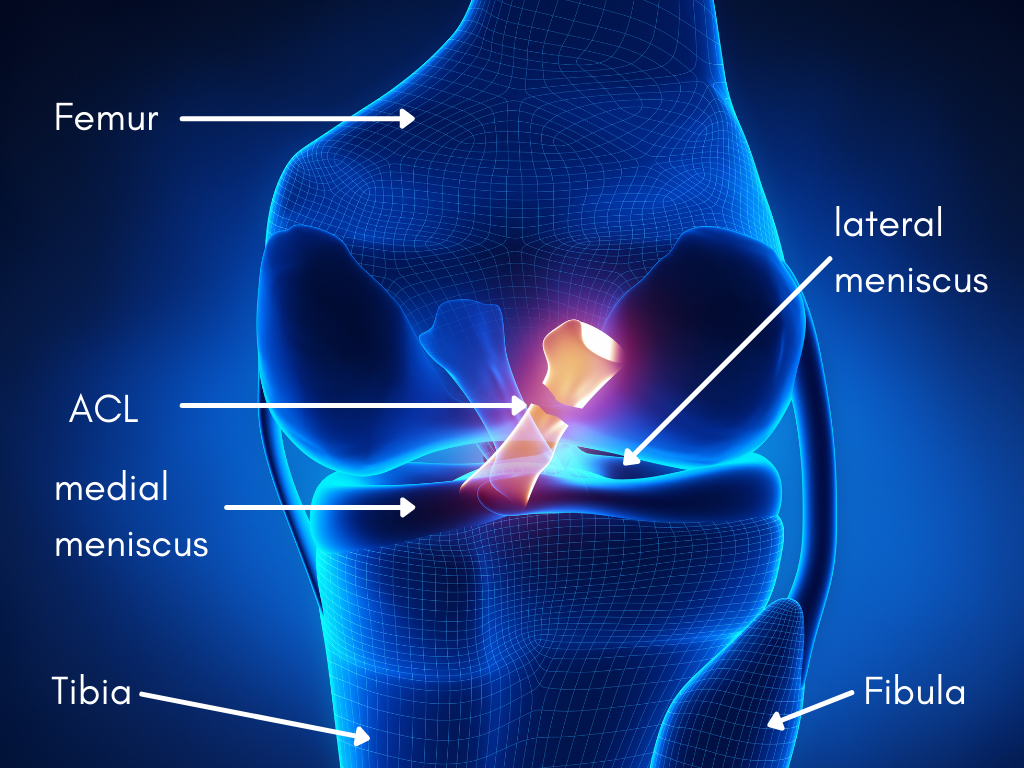
Anatomy of the L knee showing a ruptured ACL

The Pivot Shift test 

How is the pivot shift test performed? 

 1. Lie flat on your back. Relaxed, with legs straight.  

2. The Physio places one hand on your heel and the other just below the outer side of your knee.  

3. They apply pressure to the outside of your knee while internally rotating your lower leg and bending and straightening your knee. 

 The test is positive if your lower leg sinks backward when the knee is bent at 30-40 degrees. Sometimes a 'clunk' can be heard when this happens. 


Treatment options for ACL tears 

 There are two treatment options for an ACL injury: Conservative or surgical management.  

 Your age, previous injury, and fitness and rehab goals should be considered when deciding the best route to follow.  


Conservative management 

Conservative or non-surgical management involves a period of Physiotherapy treatment to restore your knee function to pre-injury level.  

Surgical management 

Having ACL surgery usually requires a minimum of 9 months of rehab tailored towards getting you back into your sport.  This may sound like a long time, but returning to sport too early can have negative implications. Mainly increasing your risk of re-injury.  


ACL Surgery  

What surgery is there for ACL tears, and what you can expect? 

 The most common type of ACL surgery is a reconstruction of a new tendon called a graft.  This is typically a minimally invasive procedure done via keyhole surgery using an arthroscope (a small camera through which your surgeon passes tiny surgical instruments).  First, the damaged ACL is removed, and then the graft is attached in its place. There are different types of grafts. They include:   

  • Autografts - Formed from tissues taken from another part of your body (like tendon tissue strands from your hamstring or patella tendon)  
  • Allograft - Formed from tissues taken from another person's body 
  • Synthetic - Formed from an artificial source or donor. 

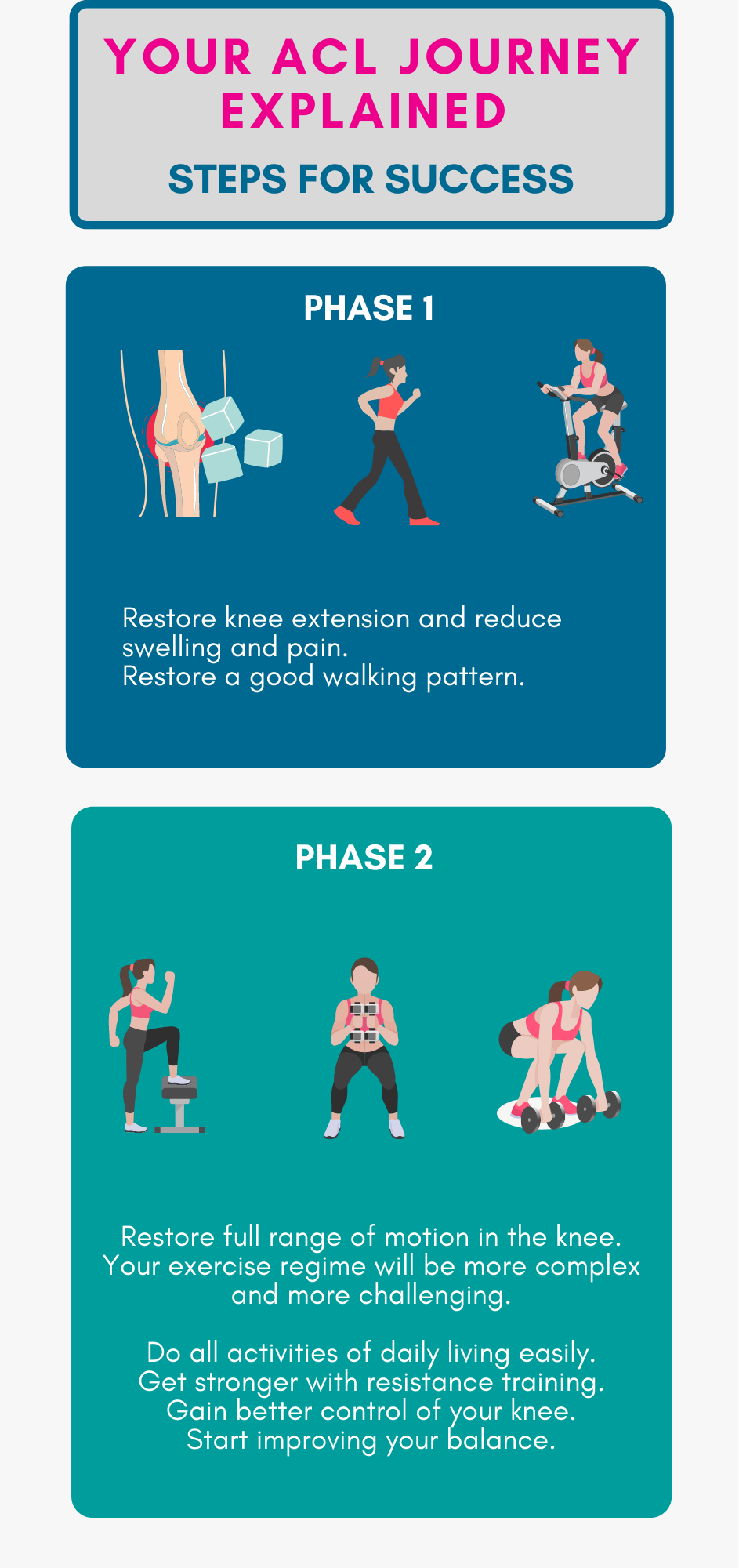
Rehab is paramount to your ACL recovery (with or without surgery) . Without rehab, ACL surgery is meaningless. All the top knee surgeons agree.  Your ACL rehab determines the success of your recovery. We recommend an evidence-based programme that's divided into four progressive phases. In our experience, this process takes 9 to 18 months to complete.  

Phase 1: Restore knee extension and reduce swelling  

Immediately after sustaining your injury or after your surgery, the muscles around your knee may feel weak, and your joint may be swollen and painful. In addition, you may not be able to completely straighten your knee.  During this stage of your recovery, the aim is to reduce swelling and pain and get your knee completely straight again. This phase typically takes 2-3 weeks.  


Phase 2: Strength & Neuromuscular control 

 After you've passed the criteria to move onto phase 2, the fun stuff begins!  You'll introduce a new set of exercises, including squats, lunges, leg presses, and more. These will continue throughout your rehab programme, becoming more complex as you advance through the various stages. 


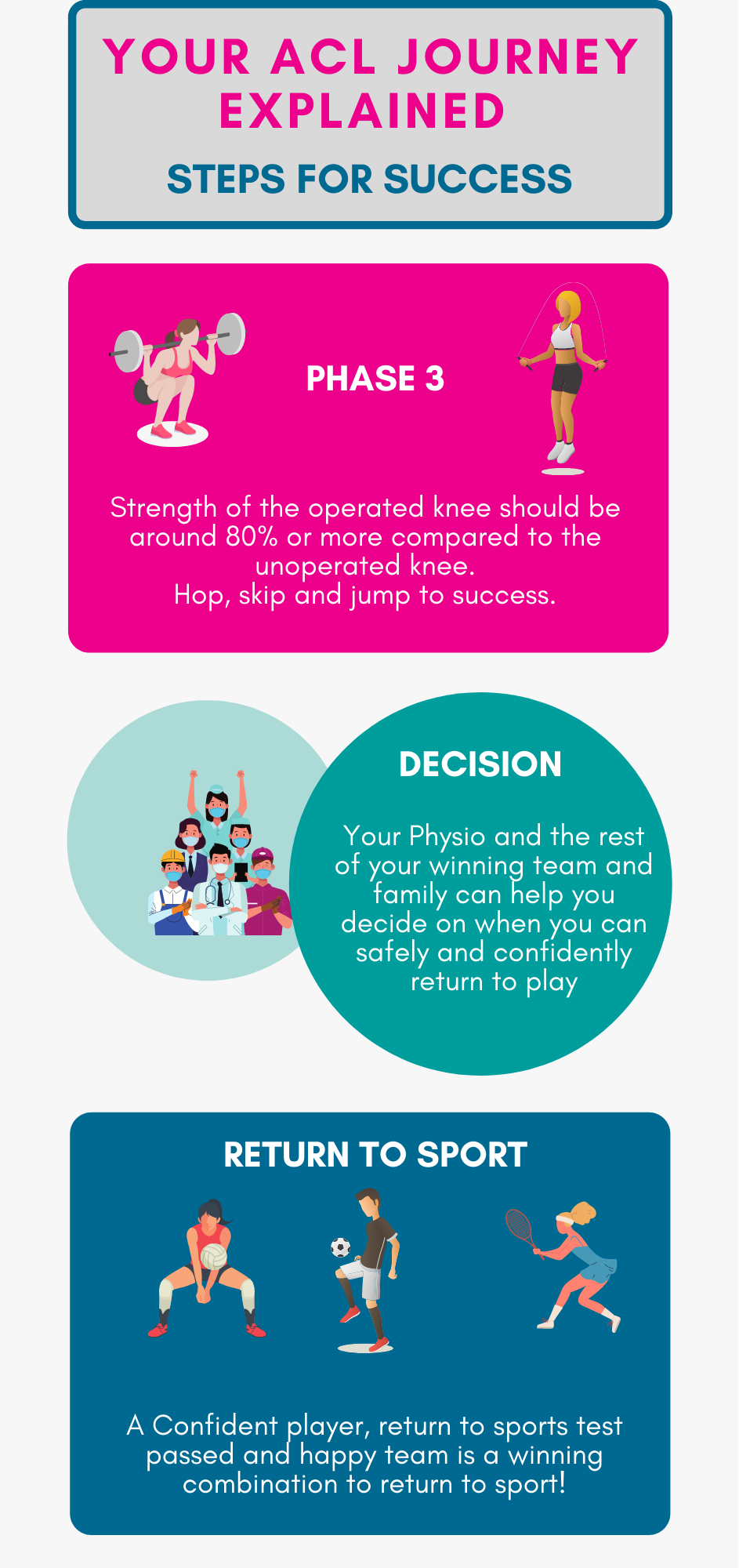
Phase 3: Plyometrics 

After passing all the phase 2 criteria, you can ramp up the fun a little more and start introducing hopping, jumping, landing, and running movements.  These sport-specific functional activities need to be retrained for your to safely return to your sport.  


Phase 4: Return to Sport  

Until this moment you have been working towards Phase 1-3.  Before you get back to your sport, you and your Physiotherapist should discuss how and plan how you will do it.  


General guidelines for ACL rehab 

  • Follow each phase-specific exercise and test and only move on to the next phase once you have mastered the current one. 
  • You need to achieve your rehab goals in the correct order to ensure you fully recover. 
  • If you stop or skip steps in your rehab, you can worsen your current injury or increase your chances of re-injury when you eventually return to your sport.   


Conclusion 

Now that you know how to get a diagnosis, choose the proper treatment, and understand the rehab process better, you can move on from your ACL injury in the right direction. Yes, the rehabilitation process is long and requires dedication and patience. But, with the right team supporting you, your progress can be smoother, and it can be a whole lot more fun! 


Our highly experienced and knowledgeable Physiotherapists can get you where you want to be. So, call us now and put your ACL recovery planning in our hands! 

Knee Pain


Knee pain is common. For some, the simple activities of daily living such as walking or climbing stairs can become cumbersome when your knee hurts. For others a niggle in the knee can deteriorate and adversely affect sporting performance. There are many causes of knee pain, so it is important for you to know what is causing the pain. There are however some common themes that occur with most types of knee pain.

Why does my knee hurt?

The knee is comprised of many structures including ligaments (connects bones together) tendons (attach muscles to bone) and cartilage (the connective tissue between bones). Most injuries in this area are caused by multiple problems over a long period of time- this could include muscular weakness, overuse, direct trauma or even lifestyle factors.  

Most patients say that when their knee hurts, they tend to want to do less activity as more activity requires bearing extra load through the knees.  Otherwise simple activities such as climbing the stairs or even going on a run can feel scary.  Often, it leads to us searching for answers by having x-rays or scans.  Sometimes a scan can look really scary, and sometimes we are told that we have “bone rubbing on bone” or our cartilage has “completely gone”. This can increase fear and further reduce activity and weight bearing through the knee. 

However, just like we all get wrinkles or grey hair, age related chages to our knees are inevitable. Researchers now believe that inactivity is a major contributor to age-related diseases and disabilities, and that regular exercise can reduce or reverse those risks.

What should I do if I have knee pain?  

Most knee pain can be treated through a graded rehab programme. Typically, this consists of a combination of strength training, education and a good understanding of how to implement your programme.  It is important to have a supervised programme so that you know exactly where to start and know exactly how you are going to progress over the course of the rehab programme.  

When we strengthen the muscle around our knees we increase our knee’s ability to withstand the load that we tend to put on them on a daily basis.

FUN FACT:  Forces transmitted across the knee joint during normal walking range between 2 and 3 times body weight!

This makes them much less likely to experience pain in the future. Over recent times we have seen a huge body of evidence to suggest that an 8-12 week exercise programme can significantly reduce knee pain and symptom progression.  

What Should I Do Now?  

  • Seek out advice from a healthcare professional who understands knee pain and is up to date with the current research.
  • As mentioned before, scans are not always needed, and scans often do not correlate with the pain you are experiencing. 
  • Begin strength training with the supervision of a healthcare professional.  
  • Other factors to consider are sleep, diet and body weight- all of which can contribute to pain and pain sensitivity.  

 Here are some great simple knee exercises to try at home:


Long Covid: Fatigue- helpful information and how Physio can help

The Therapies for Long COVID (TLC) Study Group (the University of Birmingham), recently summarised the current research on the symptoms, complications, and treatment of long COVID.

The ten most common symptoms of Long COVID were highlighted as fatigue, shortness of breath, muscle pain, cough, headache, joint pain, chest pain, altered smell, diarrhoea, and altered taste.
The two main symptom clusters for people experiencing Long COVID were:

  1.  fatigue, headache, and upper respiratory complaints.
  2.  ongoing fever and gastroenterological symptoms.


What is fatigue?

Fatigue is a feeling of constant tiredness or weakness, that does not improve with rest. Despite the fact that fatigue is sometimes referred to as tiredness, fatigue is not the same as being tired or sleepy.

A person often will feel fatigued for a number of reasons, whether it is physical, mental, or a combination of both. People of all ages will experience fatigue at some point in their lives.

In the case of viral infections such as COVID-19, fatigue is a normal part of the body’s response. After an infection is cleared, fatigue sometimes persists for some time. Fatigue can make you sleep more, feel unsteady on your feet, it can make exercise very difficult and affect your ability to concentrate and remember.


What causes post-viral or Long covid fatigue?

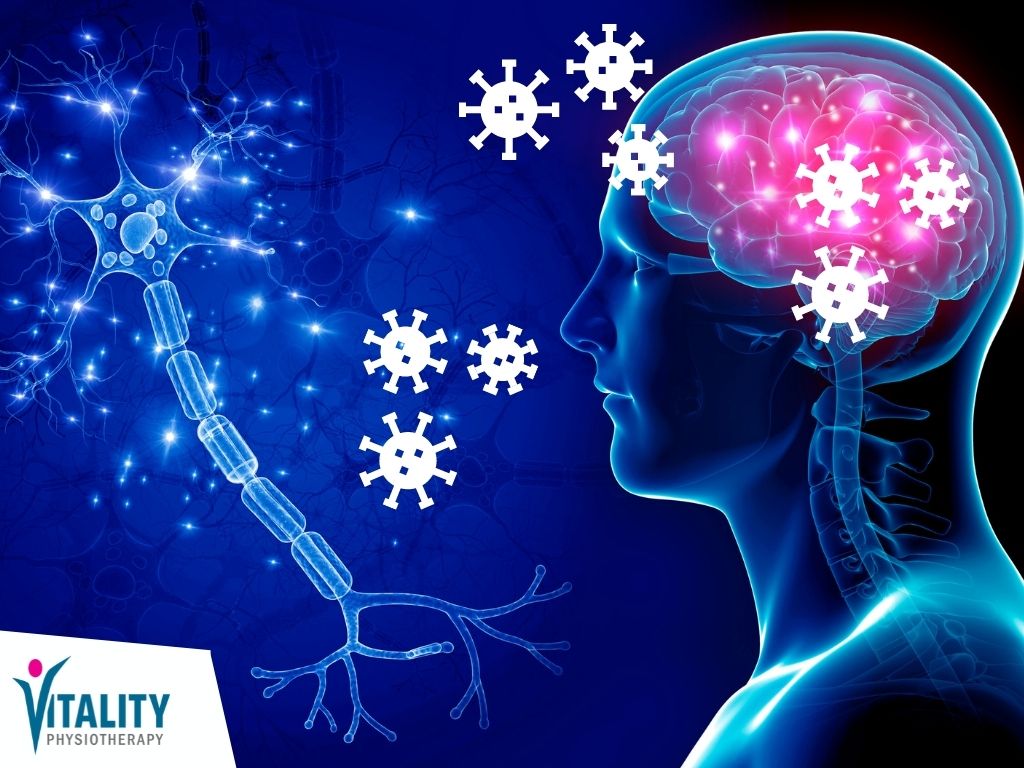
We now think that (based on post-mortem SARS research), the virus crosses the blood brain barrier.

Proposed Mechanism of how Long Covid causes fatigue by Vitality Physiotherapy


The blood-brain barrier is a specialised boundary between the blood supplying the brain and the spaces between the cells of the brain (the extracellular matrix). This incredibly specialised feature of the brain is very sensitive and selective. It allows very few substances to move from the blood into the brain, stopping toxins and harmful substances from entering the brain. It allows useful substances such as water, glucose, and oxygen to enter the brain. For more detailed information on this important mechanism, watch this:

https://www.youtube.com/watch?v=e9sN9gOEdG4


The current idea about how the virus probably enters the brain is that when the virus enters your nose, it travels through the olfactory (nasal pathway). Then, it travels through the soft tissue in the nose via the drainage mechanism of the brain (lymphatic system). It may also possibly explain why anosmia (lack of ability to smell) is observed in patients with COVID-19.

Pro-inflammatory substances, such as cytokines (interferon gamma, and interleukin 7) start to increase in the brain area. This seems to affect the glymphatic system (macroscopic waste clearance system that use tunnels around blood vessels, formed by astroglial cells (star-shaped nerve cells), to help rid the brain of soluble proteins, waste, and metabolites from the central nervous system. The glymphatic system (largely active whilst we sleep) also helps deliver glucose, lipids (fats), proteins, growth factors, and neuromodulators to the brain. This is one of the reasons why we as humans need quality sleep because many of the toxins in our brains are eliminated when we do so.

The cytokines likely pass through the blood-brain barrier in organs such as the hypothalamus, leading in the longer term to interruption of the sleep/wake cycle, cognitive dysfunction and profound fatigue (post-exertional malaise), all characteristic of Chronic Fatigue Syndrome Myalgic Encephalomyelitis (CFS/ME).

We think that as it was the case with the SARS outbreak, some patients who contracted the COVID-19 virus may go on to develop a severe post-viral syndrome we term ‘Post COVID-19 Syndrome’ or Long COVID


What can I do to help myself?

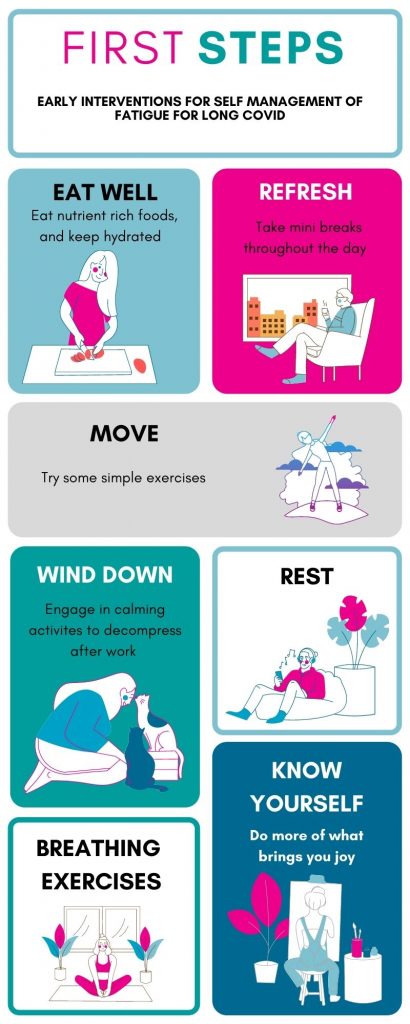
There are many interventions and self-management strategies to help with ongoing fatigue after recovering from your initial infection.

Nutrition

Eat regular healthy nutrient-rich foods including fresh vegetables, fruit, carbohydrates, and healthy fats. Vitamin D has been shown to decrease viral load and boost your immune system, so get some sun too! Remember that your body is comprised of between 50 and 65% water and it is crucial to your recovery to keep topped up.

Refresh

A short break every few hours is so beneficial to enhance your wellbeing and productivity. A mini-break does not need to be complicated. It can simply be a few minutes away from your work; this may be chatting with someone who is in the room with you or getting a drink, looking at a piece of art, listening to music, doodling, or drawing.

Sleep

Sleep is critical to your recovery because when you sleep your immune system works more efficiently. Our sleep hygiene top tips are to ensure you train your body to get to sleep every night at the same time, keep your room as dark as possible, avoid caffeine after 2 pm and stop using screens at least an hour before bed.

Move

Get active, initially, it might just be a gentle 5 min stroll or a few simple arm exercises, but you can slowly build up your activity levels. A little exercise often, allowing periods of rest in between activities is a great way to start. If you’re back at work, try standing up from your desk, if you’re office-based, every hour and march on the spot. Try going for a walk every day, starting with 5 min or so, and gradually increasing your walk time

If however, you find that simple exercises like climbing up a single flight of stairs, leaves you breathless, speak to your GP. If you feel like after exercise, you experience exceptional fatigue and malaise, speak to one of our Physios, about a more structured exercise plan, that may involve goal setting, exercise tolerance prescription, and pacing.

Wind down, allow time

The severity of the virus is not directly proportional to the level of fatigue you may be experiencing. We are all ‘wired’ differently, and our experience of illness is not the same. There is no carbon copy reference, so don’t rush with your rehab. Some patients experience levels of anxiety, fear, or even sadness.  Decompress your thoughts by engaging in calming activities such as meditation, prayer, relaxing with a pet, or listening to music. Activating your creative brain too, or by being “inflow” has been shown to help many people with their levels of happiness. Drawing, writing, and other repetitive creative activities activate “flow” and produce dopamine, which is a feel-good chemical that energises and motivates you.

Breathing exercises

Many of us over breathe, taking more oxygen than we require and in turn, can experience chronic fatigue. Mouth breathing is one of the biggest culprits that cause us to over breathe. Nasal breathing, on the other hand, is a more effective, more efficient method of breathing. Its benefits are vast in number and include improved lung volumes, reduced exposure to foreign substances, improve the function of your diaphragm, improve athletic performance, sleep better, and have better-smelling breath!

Check out this video about nasal breathing by our in-house respiratory Physiotherapist, Janine Enoch:


Finally,

If you are experiencing fatigue with exercise, diminished tolerance for exercise, or simply confused about where to start, speak to one of our Physiotherapists for a free 15 min chat, which we can do over the phone or in person. Help is at hand, live well with Vitality Physiotherapy.

Long Covid: Breathing pattern disorder


Without it, life cannot be sustained, it is as simple as that. Breathe in, breathe out, our simple but most important automatic reflex-controlled function. Most of the time, our brain and reflexes do all the work for us. Have you ever observed a sleeping baby, breathing gently as their chest rises and falls, effortless and without any conscious process involved?

When the demand arises, we can consciously decrease or increase our rate of breathing. Do you remember the days of “hide and seek” when the suspicious seeker was dangerously so close you’d dare not breathe, or the exhilaration associated with the rapid preparatory breathes I take before that first jump off the highboard at the local swimming pool?

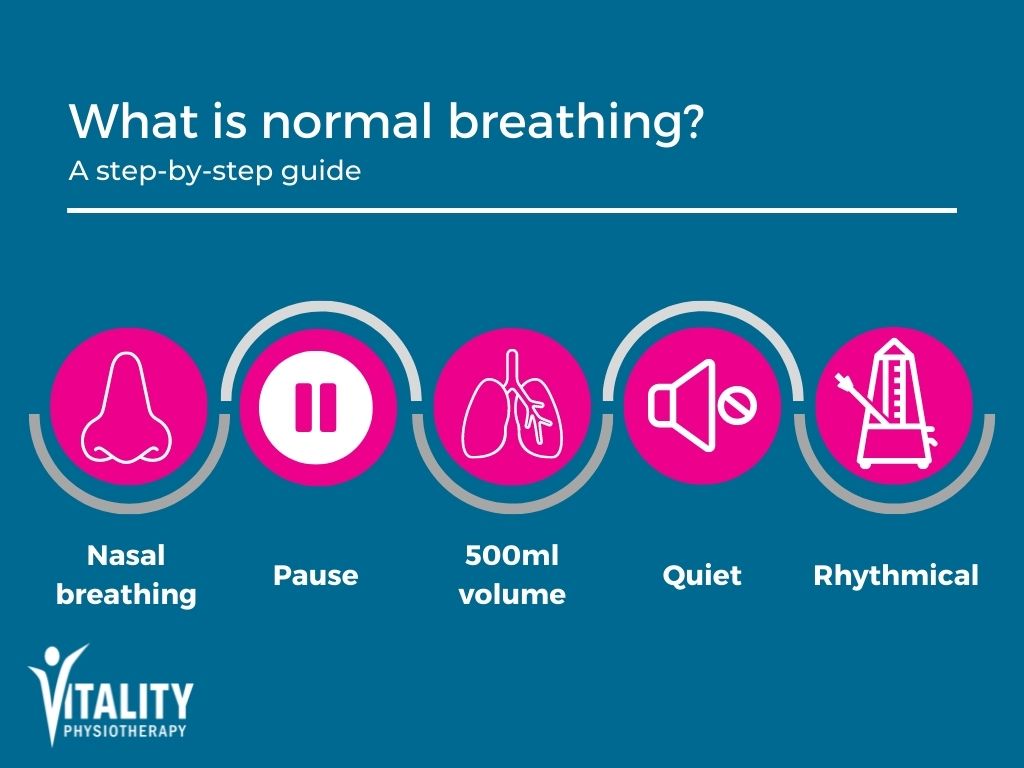
What is a normal breathing pattern?

  • Gentle breathing through the nose
  • Breathing in for 1-1.5 sec
  • Breathing out for 1.5-2 sec
  • Pause between in and out breath
  • Take 10-14 breaths per minute in adults
  • Breathe about 500ml of air per breath
  • Breathing is quiet


The normal breath cycle

Sometimes it goes wrong and our breathing becomes dysfunctional. What is dysfunctional breathing (DB)?

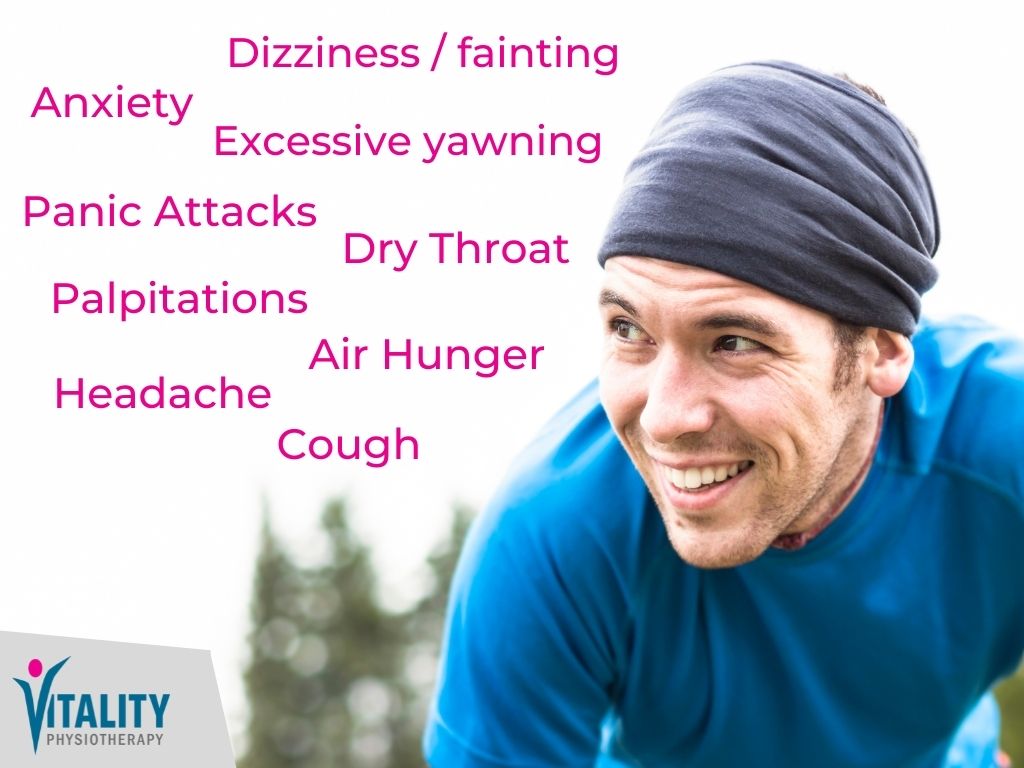
This can occur with heavy exercise, strong smells, cold weather, stress or other triggers. People would breathe rapidly through the mouth, breathe using the upper chest. The accessory neck muscles work hard and you will effectively hyperventilate.

The primary symptom is often breathlessness but is usually clarified as a feeling or need for more air or “air hunger”. Additionally, DB may cause non-respiratory symptoms such as dizziness and palpitations. It has been identified across all ages. In the United Kingdom, its prevalence is approximately 9.5% among adults.

What happens when we breathe?

We breathe in air containing a mixture of oxygen (O2) and carbon dioxide (CO2) and other gases. Our bodies process and use some of the inhaled oxygen to make energy, and creates carbon dioxide as a result. When you breathe out the air contains less oxygen and more carbon dioxide. However, carbon dioxide is not just a waste product of our body’s processes, it also has a vital role in regulating the pH of the blood. During stressful situations, a higher level of CO2 in your blood, helps your body to produce adrenaline which will help you flee from danger.

How does hyperventilation affect our bodies?

Some of the most common symptoms of hyperventilation

When we hyperventiltate, and there is less CO2 and more O2 in the blood, this causes respiratory alkalosis, or decreased acidity of the blood. This causes our blood vessels to constrict and causes reduced blood supply to the brain, among other things. This causes a feeling of light-headedness and pins and needles in the fingers, muscle cramps and exhaustion.

When overbreathing becomes regular and more permanent, the brain recognizes this lower level of carbon dioxide and accepts it as being normal. Consequently, the body is constantly on alert. This cycle of hyperventilation causes a self-perpetuating cycle, that fuels back into the system making you feel more anxious, more breathless and more hungry for air.

We also alter our posture significantly when we over breathe, adopting hunched-up shoulders as a result of rapid breathing. This causes us to use our neck accessory muscles to help draw air into our lungs. Prolonged and ongoing use of these neck muscles can cause an aching neck and stiff shoulders. Typically we can overuse sternocleidomastoid and scalene muscles which are at the front of our necks to do so. Check out this helpful video to hear more about breathing pattern disorder.

What is COVID-19 and why can it make you so sick? 

What is COVID-19 and why can it make you so sick blog article


Most of us know someone in our social circles who has had COVID-19, with or without becoming sick from it. 

Within the last 20 months, more than 203M cases of coronavirus infections were reported worldwide. Some people recovered from SARS-CoV-2 COVID having only a sniffle or a cough. Others got COVID and became sick with unremitting fever for days or even weeks. Sadly for 4.3 million people, this terrible disease was fatal. 

It begs the question – why do some people get so sick from COVID, whilst others suffer just mild symptoms? Is it a case of genetics, age, sex, or previous co-morbidities?

This article aims to answer this question. 

The journal Science Immunology published a study in March 2021 found that severe COVID-19 is accompanied by elevated levels of multiple inflammatory blood markers. It became apparent that a persons immune response to SARS-CoV-2 determines who is at the greatest risk rather than the virus itself. 

HOW DOES THE IMMUNE RESPONSE BEHAVE IN COVID-19?

In COVID-19, coronavirus particles spread across the respiratory tract and infect surrounding uninfected cells. This triggers a series of immune responses. It results in some changes in immune cells, particularly lymphocytes, which then leads to immune system dysfunction. 

Cells of the immune system communicate with each other through a process known as signaling. Cells respond to viruses by secreting proteins called cytokines. However, in the presence of excessive inflammation, sometimes there is an uncontrolled release of cytokines. This triggers a ‘cytokine storm.’ The cytokines released by the SARS-COV2 infection lower white blood cells (such as lymphocytes) and suppress the immune response. 

Some cytokines cause lung cells to die. As those lung cells break down and die, the alveoli (air sacs in your lungs) fill with fluid. This causes pneumonia and prevents the exchange of air in the lungs. The body becomes deprived of oxygen (hypoxia) and respiratory distress occurs.

Are you starting to understand why COVID makes some people so sick? 

WHY IS COVID-19 SO MUCH MORE DANGEROUS IN OBESE AND OLDER AND VULNERABLE POPULATIONS? 

1.OBESITY: 

A recent study published in The Lancet Diabetes and Endocrinology analyzed COVID-19 severity in 6.9 million people in England. It demonstrated that a BMI over 23 kg/m2 was associated with an increased risk of severe COVID-19. 

It has been suggested that obesity is associated with an inflammatory state. WE see a surplus of macronutrients in obesity fat tissues. The macronutrients cause increased production of inflammatory mediators (tumor necrosis factor* and interleukin-6) and reduce adiponectin. Adiponectin is a hormone that plays a crucial role in protecting against insulin resistance/diabetes. The result is oxidative stress and pro-inflammatory reaction. During oxidative stress, the body is overloaded with free radicals and not enough antioxidants 

During normal metabolic processes, the body’s cells produce free radicals. The cells also produce antioxidants that neutralize these free radicals. In general, the body can maintain a balance between antioxidants and free radicals. An imbalance favoring free radicals causes oxidative stress. 

image


Clinical manifestations and mechanisms for COVID-19 risk in individuals with obesity 

Individuals with obesity and COVID-19: A global perspective on the epidemiology and biological relationships. Obesity Reviews November 2020 e13128 


Individuals with obesity are more likely to develop diabetes type 2. Hyperglycemia (excessive blood sugar), and uncontrolled blood glucose, have been shown to significantly impair immune cell function and was associated with a higher mortality rate.  

A high-fat diet also triggers an inflammatory response in the body. The fatty acid, Cholesterol is an essential ingredient in the spread of SARS COV-2. This virus enters the cell in the presence of cholesterol in the form of lipid rafts, The virus attaches and enters the cell by being engulfed by the cell (endocytosis). An exciting discovery was recently discovered by the University of Birmingham, Keele University, and the San Raffaele Scientific Institute in Italy, where fenofibrate, a blood cholesterol-lowering drug, decreased sARS-COV-2 significantly in laboratory testing. 


2. OLDER PEOPLE

Over 65-year-olds represent 80% of hospitalizations and have a 23-fold greater risk of death. Cardiovascular disease, diabetes, and obesity increase the risk of fatal disease, but they do not explain why age is an independent risk factor.
By 29 May, the Office for National Statistics reported that more than 46,000 people had died from Coronavirus in England and Wales, and that more than 4 in 5 of those people were over the age of 70. When we examine the number of deaths caused by Coronavirus per thousand people, the correlation is even starker. 

In age groups up to and including 60-69, fewer than 1 in 1,000 people have died from coronavirus. 

Age 70-79, is 2 in every 1,000 people. 

Age 80-89, is 7 in every 1,000 people. 

Age 90 and over, is 18 people in every 1,000 people. 


By Colin D. Funk, Craig Laferrière, and Ali Ardakani – Funk CD, Laferrière C y Ardakani A (2020)  A (2020) A Snapshot of the Global Race for Vaccines Targeting SARS-CoV-2 and the COVID-19 Pandemic.


The virus typically enters an individual’s airways and enters a cell by attaching its spike protein to the ACE-receptors found on the surface of many organs in the body. The virus becomes engulfed by the the cell (endocytosis), and then begins to replicate, taking over and replicating itself using the body’s own protein making mechanism.  

 Two major changes occur in the immune system as we age. There is a gradual decline in immune function known as immunosenescence, which hampers pathogen recognition, alert signaling, and clearance of pathogens. Other classic immune system changes during aging are chronic inflammation and inflamaging, which result from an overactive, but ineffective alert system. 

The virus continues replicating and spreading in the body, causing chaos and damage as it does.


The aging immune system 

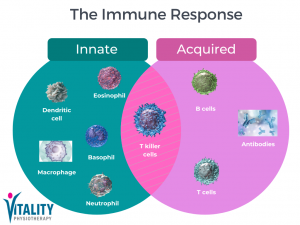
A patient’s ability to control viral load is one of the best predictors of whether they will become mildly or severely sick from COVID-19. The immune system requires four main functions: (1) recognise, (2) alert, (3) destroy, and (4) clear to destroy any virus. In older adults, each of these mechanisms is dysfunctional and increasingly variable.  The immune system’s response is usually two-fold. Our first reaction relates to the innate immune response which is characterised by the cytokine and interleukin response, which serves to slow down the replication of the virus, and to allow the body to launch it is personal bespoke acquired immune response which seeks to destroy the virus. However, in older people where the immune workings are less than optimal and variable, the virus is by default is more opportunistic. 

image showing the immune response such as in covid-19

Image: The mechanism of the human immune response   Source Cell Signaling Technology


OTHER HEALTH CONDITIONS:

Several health conditions, such as diabetes, can increase the risk of becoming severely sick from COVID-19 by suppressing the immune system; whilst COPD, increases the risk due to the weakened state of the lungs. This is largely due to poor underlying lung reserve (The amount of extra air inhaled — above normal shallow breathing when taking a forceful breath) as well and increased expression of angiotensin-converting enzyme 2 (ACE-2) receptor in the small airways 

Increased risk has also been seen in people with high blood pressure (hypertension) and coronary artery disease. Fever and infection cause the heart rate to speed up, increasing the work of the heart in COVID-19 patients who develop pneumonia. Blood pressure may drop or spike, causing further stress on the heart, and the resulting increase in oxygen demand can lead to heart damage. This is especially so, if the heart arteries or muscle were unhealthy, to begin with. Heart damage is most often caused by heart attacks, which result from the formation of a blood clot in a vulnerable heart artery, blocking the delivery of oxygen to the heart muscle. COVID-19-related inflammation raises the risk of this type of heart attack by activating the body’s clotting system and disrupting the blood vessel lining. This lining loses its ability to resist clot formation when inflamed. Clots in the large and small arteries of the heart cut off the heart’s oxygen supply. The increased clotting tendency can also cause blood clots in the lungs, which can cause the oxygen level in the blood to drop. A severe case of pneumonia further reduces blood oxygen levels. 

As previously described when the ‘spike’ molecule on the surface of the virus particle binds to ACE2 on the surface of a cell. This causes the virus particle to be taken into the cell. It replicates its genetic material to form new virus particles. Normally, cells in the airways, lungs, and heart, as well as those in the circulatory system, contain ACE2.  

However, patients with heart failure or respiratory conditions like COPD have an increase in ACE2. A higher level of ACE2 means that there are more entry points for the virus and therefore increase the risk of severe illness. Please note that if you have been prescribed ACE inhibitors, you should continue taking them. ACE inhibitors and ARBs are safe to use. 

The researchers at Kings College London found that there was no link between the use of angiotensin-converting enzyme (ACE) inhibitors, used to treat blood pressure or diabetes, and how sick you get from Covid-19. 


“This study has addressed a very important clinical question since a large proportion of the UK population takes these cardiovascular drugs. Our study indicates that it is perfectly safe to continue taking these agents and that people’s concerns about them can be alleviated”

– Professor Ajay Shah, BHF Chair of Cardiology & James Black Professor of Medicine Director,

King’s BHF Centre of Excellence, King’s College London and King’s College Hospital


So, the older you are, the more health issues and underlying conditions that you may have, the more severe the risk of severe infection. However, taking the necessary steps to protect yourself and others from becoming sick with COVID-19, is possible.  

Vaccination, social distancing, wearing a face covering, and practicing hand hygiene remain crucial to help reduce the spread of COVID-19.    

If you would like to learn more about how physiotherapy can help you recover from Long-COVID, this article will answer all your questions!

If you are currently experiencing symptoms associated with COVID-19 or Long-COVID and would like to speak to an expert, get in touch:  info@vitality-physio.co.uk 

 

COVID-19 Rehab: Your Questions Answered (And How Physio Can Help)

COVID-19 Rehabilitation and Long-COVID Recovery

It is staggering to think that these words never existed two years ago. Now, entire market sectors are dedicated to them. In January 2020, the World Health Organisation (WHO) called the new Coronavirus outbreak a “Public Health Emergency of International Concern”.

Three months later, a global pandemic was declared, and life as we knew it changed. Early on, the WHO did not expect a vaccine in less than 18 months. Then, against all odds, the world’s institutions combined their forces and produced a vaccine within 11 months.

Hope was renewed, and a way forward pathed.

With more than half of the UK population now vaccinated, it’s tempting to assume the COVID nightmare is almost over. But, this may be short-sighted. Although we’ve made progress, there’s still much more to learn about this disease before we can move on from this pandemic.

The reality is the world is healing, and many people have a long journey ahead of them.

These are the most common questions we get from patients and carers, and we hope by the end of this article you will have found the answers you’re looking for.


1. WHAT IS CORONAVIRUS AND COVID-19?

Coronaviruses (CoV) are a large family of viruses that cause illnesses ranging from mild common colds to more severe conditions like SARS and MERS. The Coronavirus at the centre of the pandemic is a new strain called SARS-CoV-2. The virus spreads through direct contact or respiratory droplets that contact the nose, mouth, or eyes. 

Data shows Black and Asian ethnic minority populations have poorer outcomes but, ongoing symptoms occur across all population groups. The WHO reports, ‘anyone can get sick with COVID-19 and become seriously ill’. Those found to be at most significant risk of severe COVID-19 illness are:

  • Men
  • People over 60
  • Those with an underlying health condition.

2. WHAT ARE THE MOST COMMON SYMPTOMS OF COVID-19?

COVID-19 can show up as a mild or severe disease. In some cases, it can progress quickly, so knowing the symptoms and understanding the difference between mild and severe cases helps save lives. These are the most common symptoms:


Covid-19 rehabilitation, covid-19 symptoms

COVID-19 Coronavirus Symptoms (Source: WHO)


As with any new outbreak, little is known about the condition until more studies are conducted. Time brings more information, improved knowledge, and ultimately, better management of the disease or condition.

Since COVID-19 is a new condition, the list of symptoms may change in the future. Therefore, it’s best to keep up to date with current evidence.


3. HOW LONG DOES IT TAKE TO RECOVER FROM COVID-19?

COVID-19 recovery is different for everyone. The WHO reports most people (about 80%) will recover without needing hospital treatment. Around 15% will require oxygen treatment, and 5% will need intensive care due to critical illness.

Many people get back to their normal activities within a few weeks, but most recover within 12 weeks. Unfortunately for some, symptoms can last longer than 12 weeks. New initiatives provide guidance and support for those dealing with COVID-19, either directly or indirectly.

The NHS has done a terrific job with its website, www.yourcovidrecovery.nhs.uk. It’s an incredible resource for anyone needing support through their or a loved one’s COVID-19 recovery.


4. WHAT IS ‘LONG-COVID’?

Long-COVID is the extended period of illness after initial COVID-19 infection.

The National Institute for Health and Care Excellence (NICE) develops COVID-19 care guidance based on these definitions and timelines:

  • Acute COVID-19: Signs and symptoms up to 4 weeks
  • Ongoing symptomatic COVID-19: Signs and symptoms from 4 -12 weeks
  • Post-COVID-19 syndrome: Signs and symptoms presenting as clusters during or after COVID-19 infection, with no alternative diagnosis and lasting longer than 12 weeks
  • Long-COVID includes both the ongoing symptomatic COVID-19 and post-COVID-19 syndrome stages


Covid-19 rehabilitation, Covid-19 symptoms
COVID-19 RECOVERY TIMELINE AND DEFINITIONS

Image: Vitality Physiotherapy. Source: NICE


In a joint UCL 2021 study, researchers found patients hospitalised with COVID-19 still had symptoms more than seven weeks after hospital discharge.

These included:

  • Persistent breathlessness (53%)
  • Cough (34%)
  • Fatigue (69%)
  • Depression (14.6%)

They also found that 38% of Chest X-Rays remained abnormal and 9% showed worsening.

As much as we want this pandemic over, some symptoms are an ongoing reality in many people’s lives.

Long-COVID symptoms are wide-ranging and fluctuating, and these can change in nature over time.


Covid-19 rehabilitation, symptoms, Long covid
LONG-COVID SYMPTOMS

Image: Vitality Physiotherapy, Source: NHS


5. WHAT CAUSES LONG-COVID?

The research is scarce about the causes of Long-COVID. However, a theory about viral persistence has emerged. Certain body parts (brain, testes, eyes, spinal cord) are considered ‘safe havens’ or immune-privileged organs to our immune cells. These are ‘no-go areas’ for immune attacks.

When viruses hide out in these body sites and come out later, causing relapses, it’s called viral persistence. In these organs, damage from an immune attack is riskier than allowing an invader (a virus, for example) to infect the cells.

In June 2020, a National Geographic article called ‘How long does Coronavirus last inside the body?’ explored viral persistence and explained how it impacts your recovery. 


6. WHO CAN GET LONG-COVID?

The short answer? Anyone who gets COVID-19 can get Long-COVID. Many people believe they will not experience severe symptoms if they are not at risk.

The chances of having long term symptoms does not seem to be linked to how ill you are when you first get COVID-19.

NHS


The NHS clarifies an important aspect here – your initial and post-COVID symptoms may not be related. But why can’t we predict how unwell we’ll get with COVID-19 or tell whether we will develop long-term symptoms?


In a review into the global health strategies surrounding COVID-19, a researcher explained it like this:

‘What follows after the acute phase of SARS-CoV-2 infection depends on the extension and severity of viral attacks in different cell types and organs.’

Aging clinical and experimental research 


In other words, how sick you become after acute infection depends on how severely the virus attacked during the acute phase.

Viruses also affect our immune systems differently. Unfortunately, we cannot predict which patients will have a worse outcome from the limited clinical evidence and research data.

This NHS video discusses how post-COVID symptoms affect healthy young people. For example, a 26-year-old former marathon runner describes how ten weeks after her initial infection, she still couldn’t walk for more than 15 minutes at a time in this BBC article.

These stories, along with countless others, demonstrate that no one is safe from Long-COVID.


7. WHAT HAPPENS IN A COVID-19 PHYSIO APPOINTMENT?

Your appointment will include a thorough assessment and a concise treatment plan.

Assessment includes:

  • screen for serious illness
  • discussion about your case history to find out about your current and previous functional abilities and challenges
  • respiratory examination 
  • musculoskeletal examination

Treatment includes:

  • A uniquely designed custom treatment plan according to your specific goals and functional requirements determined in your assessment.


8. HOW CAN PHYSIOTHERAPY HELP?

COVID-19 Rehabilitation tools, techniques and exercises help:

  • Reduce breathlessness
  • Increase your lung capacity
  • Pace your activities
  • Manage fatigue
  • Improve your exercise tolerance
  • Rehabilitate muscle and joint dysfunction

We show you a way forward and help you manage your symptoms better so you can live your life.

In any holistic Physiotherapy Rehabilitation programme, an onward referral network is essential. We work with experts to help you recover fully. 

If we suspect you need further investigation, we will refer you to our trusted colleagues for extra help:

  • Specialist Medical Physicians
  • Respiratory consultants
  • GP’s
  • Psychiatrists
  • Sports and Exercise Medicine Consultants
  • Speech and Language Therapists
  • Occupational Therapists
  • Psychotherapists


There is more to COVID-19 than just a virus. You can feel the impact on every aspect of your life – physically, mentally, socially and financially.


Have you waited long enough for things to improve on their own? You are not alone on this journey – we’re on your team!

COVID-19 is a complex puzzle, and we are here to help you solve it! Don’t wait any longer to restore your quality of life and start doing the things you love again! 

Get in touch with our specialist team now!


Top 5 Summer injuries and how to prevent them

1. Gardening injuries

We kicked off June with a very balmy Jubilee weekend and it’s been a brilliant summer so far! If you enjoy a chilled glass of rosé, weekend BBQs, and a spot of gardening too, you’ve found good company!

Gardening injuries, however, are quite common, so here are some handy hints to help you get the most of your long summer days. Extended pruning time, using inappropriate tools, and heavy lifting with poor technique are often the biggest culprits!

Try the following to keep your love for gardening alive:

  • Warm up before you weed-up! Try taking a brisk walk to get your heart rate up, prior to starting your gardening session.
  • Sit on a stool or kneel on foam pads to help prevent knee and back pain when planting or weeding.
  • Long handle tools will reduce the work and prevent you from overstretching.
  • Impose a 20-minute limit (to make a cuppa of course) to take a short break especially if you’re a gardening novice!

Don’t spoil a perfect day in the garden with a pesky injury! If you have any questions about an injury or wondered whether we can help, book a free 15min call to chat about how we could help you.

2. Neck strains

If catching some rays on your back is a priority this summer, be sure to set a timer or get someone to wake you. Apart from the obvious perils of turning into a lobster and the pain associated with it, getting a stiff neck from lying prone (on your tummy) on the beach will certainly put a damper on your holiday. Reading for long periods on a sun lounger can also cause a crick in the neck, so be sure to do a few neck stretches every so often to keep your neck mobile. Here are some useful neck stretches to try. 

  • Tilt your head to one side and hold for 15-20 sec and then to the other side. 
  • Roll your shoulders forwards 5 times and then backward. 


3. Running shin splits 

Trying to get beach-fit quickly? Trying to run away those extra pounds? A sudden increase in running thresholds (especially if you’ve never run) is one of the biggest single causes of shin splints. This, together with wearing inappropriate footwear, a higher BMI and flat feet are among the top factors that can result in shin splints. Try switching to swimming or cycling instead and seek physiotherapy advice before hitting the pavement again to avoid this common summer injury.  


4. Plantar fasciitis

In warmer weather, we tend you to swap our more supportive shoes for flip-flops, pumps, and sandals. Whilst increasing the airflow helps us feel cooler, our feet have to work a lot harder to help us move. This can cause aching burning feet at the end of the day. The intrinsic foot muscles may have deconditioned over the long winter and therefore be subject to strain and fatigue. If you suffer from burning feet, try doing the following: 

Place a bottle of water in the freezer for an hour or so. Place it under your foot to act as an ice roller- trust me, it will absolutely hit the spot to relieve your burning feet! 


5. Cycling injuries 

Fair weather cyclists the world over can all relate to a “dead pinky” or lower back pain after getting into the saddle. Bike setup is crucial to your cycling comfort and can also contribute to the work of cycling. Your pre-bike fitness however will set you up to ensure you’re recruiting the correct muscles for your pedal power and avoid injury. Weak glutes are sometimes responsible for overworking the lumbar spine or hamstrings. A simple bridge exercise is useful for hip mobility and strength, particularly for cyclists as it replicates the action of the downward force of pedaling and isolates glut muscles.  


We hope that these few simple golden nuggets will help keep those summer injuries at bay and that you have a wonderful and long summer!