
Running Injuries: A Physiotherapist’s Complete Guide to Treatment, Recovery and Prevention

Expert guidance from Janine Enoch Founder of  Vitality Physiotherapy — passionately working with runners across Surrey, Esher KT10, Cobham, Claygate, Weybridge, Woking and London SE1


Running is one of the most accessible, effective and rewarding forms of exercise — and around Esher and the wider Surrey area, it’s everywhere. From the wooded trails around Claygate and Oxshott to the towpath along the Thames near Weybridge, from Saturday morning parkruns to the Esher 10K, our community runs. And when injury strikes, it can feel devastating.

At Vitality Physiotherapy, with clinics in Esher (KT10) and Southwark (SE1), we work with runners at every level — from those lacing up for the first time to experienced athletes managing complex, recurring problems. This guide draws on over 25 years of clinical experience to help you understand the most common running injuries, why they happen, and what you can do about them.

Whether you’re dealing with knee pain that won’t shift, Achilles trouble that flares every time you build mileage, or you’re simply trying to stay injury-free as you train for your next event — this is written for you.


Who this guide is for: Recreational runners, parkrunners, half and full marathon trainers, returning runners after injury or a break, and anyone who wants to understand their body better.


Why Running Injuries Are So Common

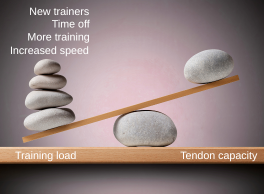
Running is a high-load, repetitive activity. With every stride, your body absorbs force equivalent to two to three times your body weight — multiplied thousands of times over the course of a run. Most of the time, your body adapts beautifully to this. But when load exceeds your body’s capacity to absorb it, tissue becomes stressed and injury follows.

Research consistently shows that around 50–80% of runners experience at least one injury per year. The good news is that the vast majority of running injuries are not serious, are not caused by running itself, and respond well to physiotherapy — often without needing to stop running entirely.

The most common causes of running injury

  • Too much, too soon — increasing mileage or intensity faster than the body can adapt
  • Muscle weakness — particularly in the hips, glutes and core, which stabilise every stride
  • Previous injury — undertreated or incompletely rehabilitated injuries are a major risk factor
  • Training error — ignoring recovery, skipping rest days, or ramping up before a race
  • Footwear — worn-out shoes, or shoes that don’t suit your gait pattern
  • Biomechanical factors — how you run influences where load accumulates


A note from our clinic: In our experience at Vitality Physiotherapy, most running injuries we see in Surrey and London are not caused by bad luck — they are caused by identifiable, addressable factors. Understanding yours is the starting point for getting better.


The Most Common Running Injuries — and What to Do About Them

Below are the injuries we most frequently assess and treat at our Esher and Southwark clinics. Click the links to read our full articles on each condition.

  1. Runner’s Knee (Patellofemoral Pain Syndrome)

A dull ache at the front of the knee, often worse going downstairs or after sitting for long periods. Runner’s knee is one of the most common presentations we see, particularly in recreational runners who have recently increased their mileage.

It is frequently associated with hip weakness — when the glutes and hip abductors are not working effectively, the knee is forced to compensate, increasing load on the patellofemoral joint. Treatment focuses on load management, hip and quadriceps strengthening, and gradual return to full training.

Key message: Runner’s knee is not a reason to stop running permanently. With the right rehabilitation, most people return to full training.

  1. IT Band Syndrome

Sharp or burning pain on the outside of the knee, typically coming on at a predictable point in the run — often around the 2–3 mile mark. IT band syndrome is notoriously frustrating because it tends to recur when runners return too quickly or rely solely on foam rolling and stretching.

The IT band itself is not the problem — it is a symptom of a loading issue elsewhere, most commonly weakness in the hip abductors and poor pelvic control. Addressing these root causes, combined with a structured return-to-run programme, produces lasting results.

  1. Achilles Tendinopathy

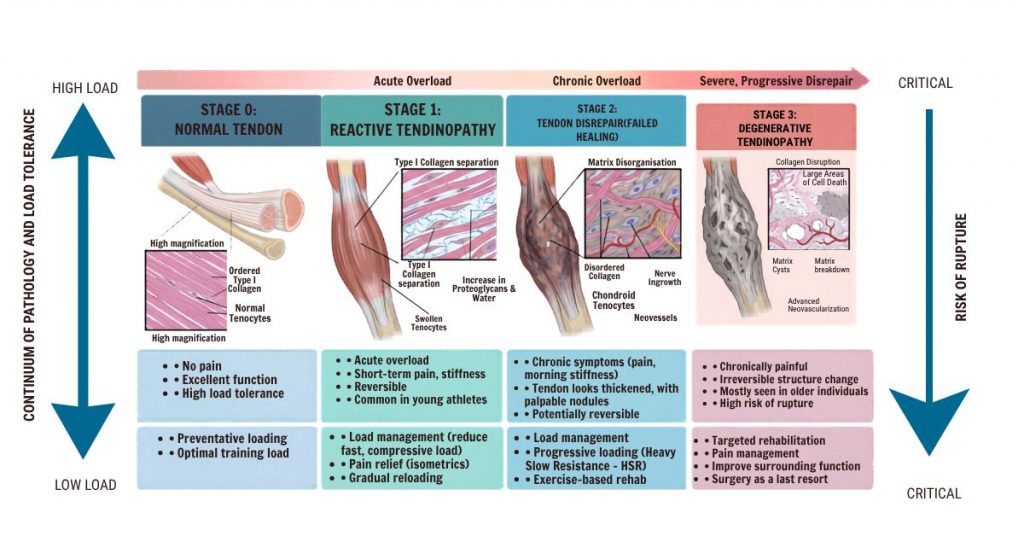
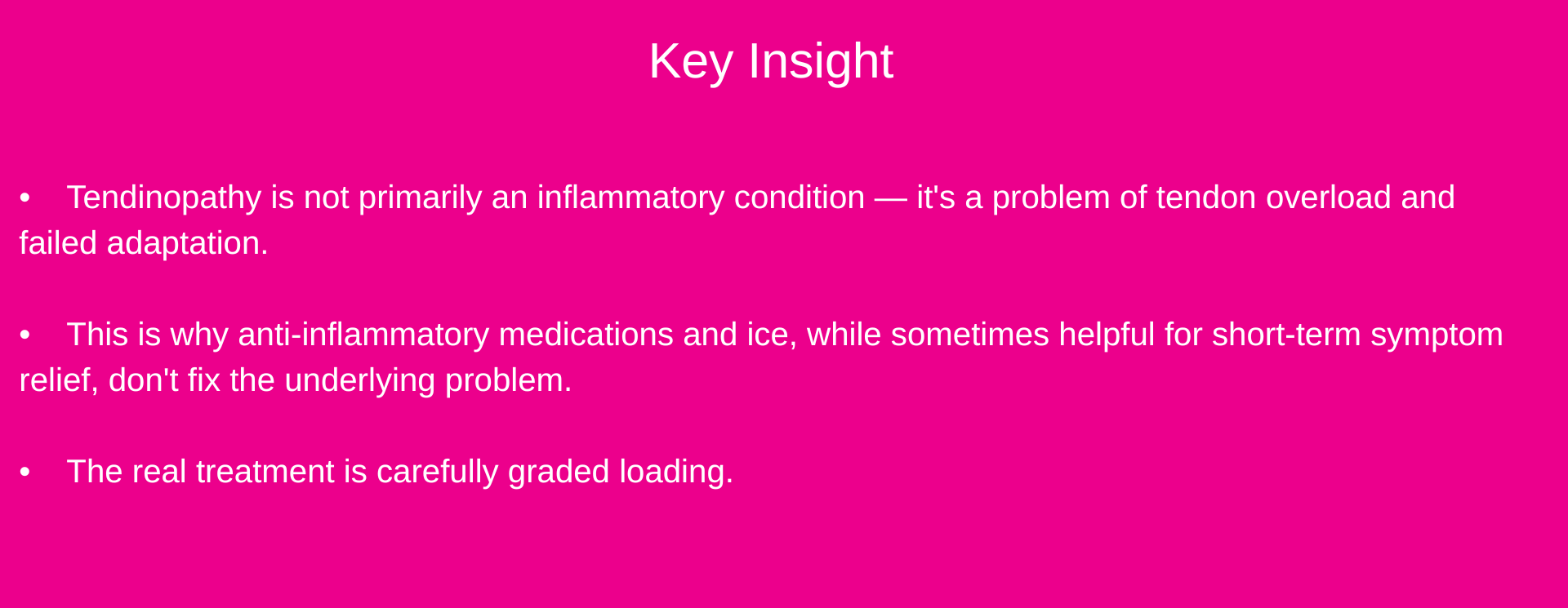
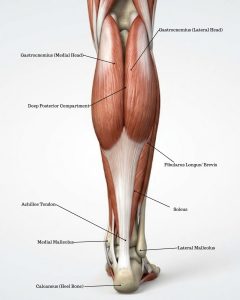
Stiffness and pain at the back of the ankle, typically worst first thing in the morning or at the start of a run. Achilles tendinopathy is an overuse condition that requires careful load management — complete rest often makes things worse, not better.

Tendon rehabilitation is a speciality area at Vitality Physiotherapy. Evidence-based eccentric and progressive loading programmes, delivered consistently over time, are the most effective treatment. Most cases resolve fully with appropriate physiotherapy.

Important: If you have sharp pain or sudden onset swelling at the Achilles, seek assessment promptly — a tendon rupture requires different management entirely.

  1. Shin Splints (Medial Tibial Stress Syndrome)

Pain along the inner edge of the shin, usually diffuse and aching during and after runs. Shin splints are extremely common in newer runners and those returning after a break, and typically respond well to relative rest, load management and strength work.

Ignored or pushed through repeatedly, medial tibial stress syndrome can progress to a stress fracture — which requires a significantly longer recovery. Early assessment is important.

  1. Plantar Fasciitis

Stabbing pain in the heel, classically worst with the first steps in the morning. Plantar fasciitis is a loading issue affecting the connective tissue of the sole of the foot, and is influenced by calf tightness, foot biomechanics, and training load.

Treatment is effective but requires patience — this is an injury that responds to progressive loading rather than rest alone. Physiotherapy including calf and foot strengthening, load management advice, and where appropriate orthotic assessment produces excellent long-term outcomes.

  1. Hip and Glute Pain

Pain in the hip, buttock or outer thigh is increasingly common in recreational runners, particularly as we age or increase training demands. Presentations we see regularly include greater trochanteric pain syndrome (outer hip pain), hip flexor tendinopathy, and piriformis-related gluteal pain.

Many of these respond well to targeted strengthening and load management. If you have hip pain that radiates down the leg, a physiotherapy assessment is particularly important to identify the source accurately.


Should I Run Through an Injury?

This is the question we’re asked most often — and the honest answer is: it depends.

Some injuries can be managed while continuing to run at a reduced level. Others require a period of relative rest to allow the tissue to recover before loading resumes. The key factors are the type of injury, the severity of symptoms, and whether running is causing lasting damage or simply discomfort.

As a general guide:

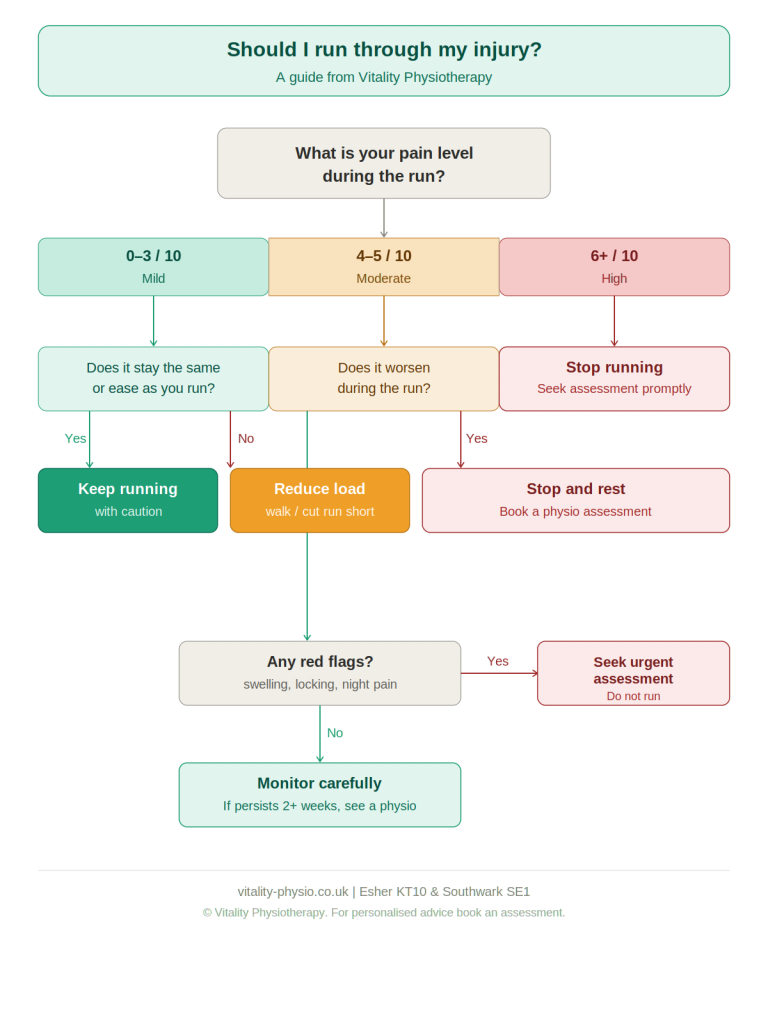
  • Pain above a 3 or 4 out of 10 during a run is a signal to reduce load or stop
  • Pain that worsens significantly during a run, or that you are unable to run through, needs assessment
  • Pain that is present at rest, especially at night, should always be assessed
  • Swelling, giving way, locking, or sudden-onset sharp pain are red flags — seek assessment promptly

At Vitality Physiotherapy, we aim to keep you running wherever it is safe to do so. We work with you to find a manageable training level, modify your programme, and build back gradually — rather than telling you to stop until everything is perfect.

Running decision tree


Running Injury Prevention: What the Evidence Says

The single most effective thing you can do to reduce your injury risk as a runner is strength training. A growing body of research demonstrates that runners who include regular strength work — particularly targeting the hips, glutes and single-leg stability — sustain fewer injuries and recover faster when they do.

Beyond strength work, the evidence supports:

  • Gradual load progression — the commonly cited ‘10% rule’ is a useful starting point
  • Adequate recovery — rest days are not optional; they are when adaptation happens
  • Sleep — consistently underrated as an injury risk factor
  • Appropriate footwear — not necessarily the most expensive, but suited to your foot type and gait
  • Addressing previous injuries properly — incomplete rehabilitation is one of the strongest predictors of future injury


From our clinic: We often see runners who have been managing a ‘niggle’ for months before seeking help. Early physiotherapy assessment — before a minor issue becomes a significant injury — is almost always the better approach.


When to See a Physiotherapist

You do not need to wait until you cannot run to seek physiotherapy. The following are all good reasons to book an assessment:

  • A pain or ache that has persisted for more than 2 weeks
  • An injury that keeps coming back in the same location
  • Pain that is changing how you run — altering your gait or causing you to compensate
  • You are training for an event and want to manage a problem before it escalates
  • You want a running assessment to identify any biomechanical factors that may be increasing your injury risk


At Vitality Physiotherapy, our running assessments are carried out by experienced chartered physiotherapists who understand both the clinical and training demands of running. We do not offer one-size-fits-all advice — every runner is different, and every treatment plan is individual.


Running Physiotherapy in Surrey and London — Our Clinics

Vitality Physiotherapy has two clinic locations:

From the treatment room to the finish line — congratulations to Jessica on completing the London Marathon

Esher, Surrey (KT10)

Our Surrey clinic is conveniently located for runners across Esher, Claygate, Cobham, Oxshott, Hersham, Hinchley Wood, Thames Ditton and Weybridge. We are a short walk from Esher station on the South Western Main Line.

We regularly see runners preparing for local events including the Esher 10K, the Claygate 5K, and a range of half and full marathons across Surrey and London.

Southwark, London (SE1)

Our London clinic is located in Southwark SE1, close to London Bridge station. We see runners from across South and Central London, including those training for the London Marathon, the Big Half, and the many parkruns across the capital.


Both clinics offer the full range of physiotherapy services including running assessments, injury rehabilitation, and women’s health physiotherapy — our specialist area of practice for over 25 years.


Book a Running Assessment

If you are dealing with a running injury, managing a recurring problem, or simply want an expert assessment of your running health, we would love to help.

Book online at vitality-physio.co.uk or call us to speak with a member of the team.

Esher KT10  |  Southwark SE1  |  vitality-physio.co.uk


Pelvic floor issues when you run? Read this

Why Do I Leak When I Run? A Physiotherapist Explains

Written by: Tamara Figaji Women’s Health Physiotherapist with over 20 years experience working with female athletes
If you leak urine when you run, jump or exercise, you are not alone — and it is not something you simply have to accept. This is called stress urinary incontinence, and it is one of the most common — and most treatable — conditions seen in women’s health physiotherapy. This article explains exactly why it happens and what you can do about it.
Physiotherapy helps leaky bladder
Successful return to running after pregnancy

First: You Are Not Alone

Many women — including fit, active, athletic women — experience urinary leakage during running or high-impact exercise. Research suggests that up to 1 in 3 women who exercise regularly experience some form of stress urinary incontinence, and among female runners the figure is even higher.

It is also one of the most under-reported problems in women’s health. Many women quietly stop running, avoid certain classes, or start wearing pads without ever seeking treatment — often assuming it is just a normal part of having had children, or getting older.

It is common. It is not normal. And in the vast majority of cases, it is highly treatable.


What Is Actually Happening When You Leak

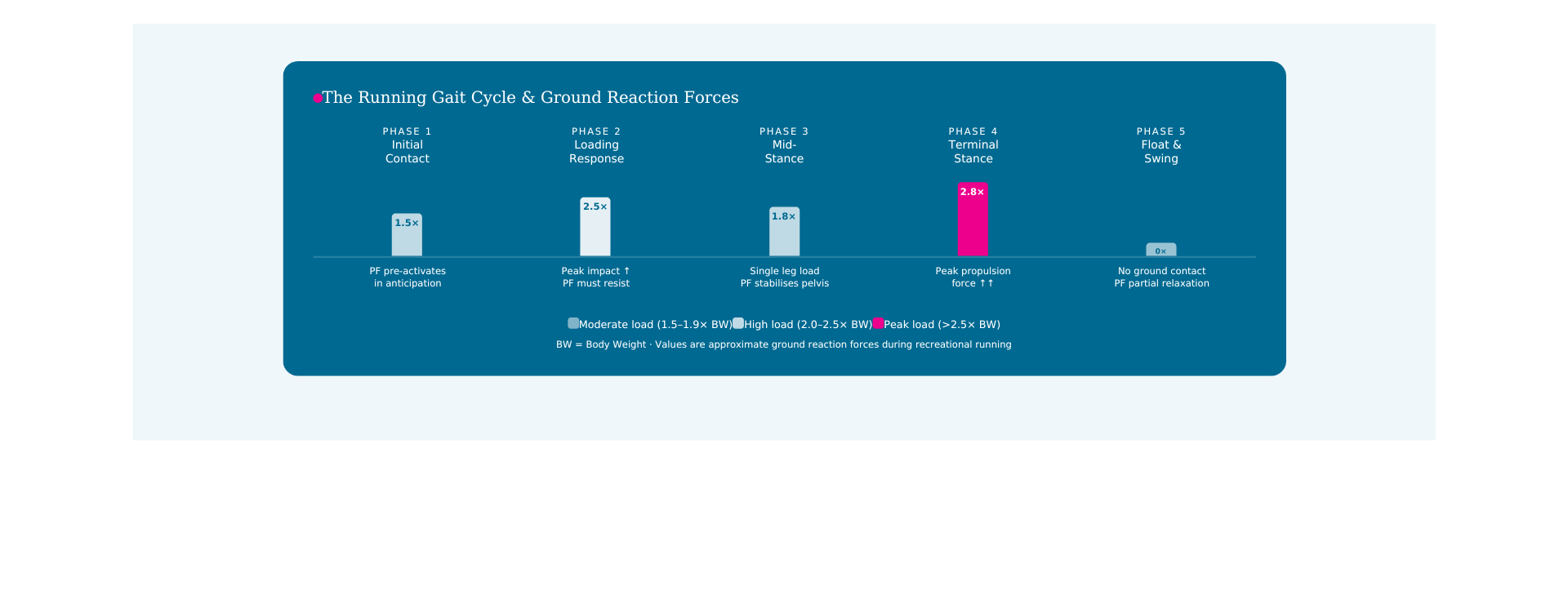
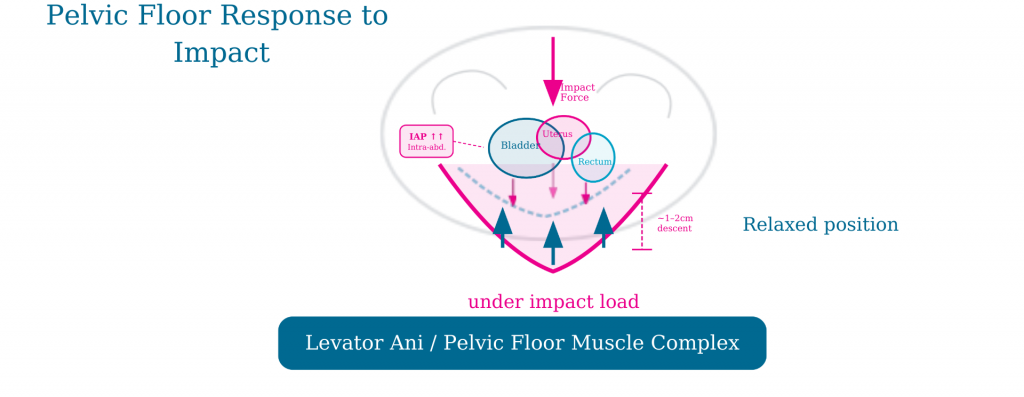
Every time your foot hits the ground during a run, a significant force travels up through your body. Running generates ground reaction forces of two to three times your body weight with each stride. At the same time, your diaphragm descends and intra-abdominal pressure spikes rapidly.

Your pelvic floor — the group of muscles that sit at the base of your pelvis — is responsible for managing that pressure and maintaining closure of the urethra. In a well-functioning pelvic floor, these muscles contract reflexively just before and during impact to counterbalance the pressure and keep you dry.

When leaking occurs during running, it means that reflex is not working well enough. This can be due to one or more of the following:


  • The pelvic floor muscles lack sufficient strength to generate the required closing force
  • The muscles are poorly coordinated — they contract too late, or not at all during impact
  • The muscles are actually overactive or tight, which paradoxically reduces their ability to generate force
  • The load demand of running exceeds the current capacity of the pelvic floor
  • Hormonal changes (especially around menopause or postnatally) have affected tissue quality


Important: Leaking during running is not always caused by weakness. Some women leak because their pelvic floor is too tense — a distinction that matters enormously for treatment. This is why a proper assessment is essential before starting any exercise programme.


Why Running Specifically?

Running is a high-impact, repetitive activity that creates more pelvic floor loading than most other forms of exercise. Studies have measured the impact forces involved and found running to be significantly more demanding on the pelvic floor than cycling, swimming, or even the elliptical trainer.

This is why many women can manage a gym session, a yoga class or a walk without any leakage — but find running triggers symptoms. It does not mean running is damaging. It means your pelvic floor’s capacity has not yet caught up with the demand being placed on it.

Running gait cycle and ground reaction forces

Other factors that can make symptoms worse during running:

  • Running on hard surfaces (more impact than trail running)
  • Running pace — faster running increases impact forces
  • Fatigue — pelvic floor endurance decreases as you get tired
  • Hydration and bladder volume — a fuller bladder is harder to manage
  • Recent childbirth or hormonal changes that have altered tissue support


Is It Just About Having Had Children?

Childbirth — particularly vaginal delivery — can stretch, strain or partially disrupt the pelvic floor muscles and their nerve supply. This is a significant factor for many women who leak when running. However, it is not the only cause.

Women who have never been pregnant can also experience stress urinary incontinence, particularly elite and recreational female athletes. The cumulative load of high-impact training over time, combined with other hormonal and structural factors, can be sufficient on its own.

Menopause is another major contributor. The decline in oestrogen affects the elasticity and thickness of pelvic and urethral tissues, making the pelvic floor less responsive and more vulnerable to leaking under load.


Pelvic floor response to impact

What Can Be Done About It

The good news is that stress urinary incontinence during running responds very well to physiotherapy. NICE guidelines — the clinical standards that govern healthcare in the UK — recommend pelvic floor muscle training as the first-line treatment for stress urinary incontinence before any other intervention is considered.

When delivered by a specialist women’s health physiotherapist, pelvic floor rehabilitation has been shown to significantly reduce or eliminate leakage in the majority of women — including those who have been dealing with the problem for years.


What treatment actually involves:

  • A thorough assessment of your pelvic floor function — not just strength, but coordination, timing and relaxation ability
  • A personalised rehabilitation programme tailored to your specific deficit
  • Functional training that bridges the gap between pelvic floor exercises and running — because Kegels alone rarely solve a running-specific problem
  • Load management: how to continue running while your pelvic floor capacity builds
  • Breathing and pressure management strategies to reduce the spike in intra-abdominal pressure during impact
  • Strength work targeting the glutes, hips and deep core — which all support pelvic floor function


Most women see meaningful improvement within 6 to 12 weeks of structured, progressive rehabilitation. Some see results much sooner. The key word is structured — the evidence consistently shows that supervised physiotherapy produces significantly better outcomes than self-directed exercise.


Are Kegels Not Enough?

This is one of the most common questions — and the honest answer is: often not, when the goal is returning to running.

Kegel exercises — or pelvic floor contractions — are a starting point. But they train the pelvic floor in isolation, in a static position, with no load. Running places high-speed, high-load demands on the pelvic floor in a dynamic, upright position. The gap between those two things is significant.

Effective rehabilitation for running-related leakage needs to include progressive loading — squats, single-leg work, impact preparation, and eventually a graded return to running programme. It also needs to address timing and coordination, not just strength.

Many women also either over-squeeze (creating a muscle that is tight but not strong) or perform the contraction incorrectly without knowing. An assessment with a specialist physiotherapist ensures you are working in the right direction from the start.


When to Seek Help

You should seek a pelvic floor assessment if:

  • You leak any amount of urine when running, jumping or exercising
  • You have had to modify or stop running because of leaking
  • You are wearing pads during exercise
  • You are postnatally and preparing to return to running
  • You are perimenopausal or postmenopausal and noticing new or worsening symptoms
  • You are not sure whether what you are doing as self-treatment is helping


Early intervention makes a significant difference. The longer symptoms persist without treatment, the more compensatory habits can develop — adjusting your running gait, reducing speed, avoiding certain routes — which can create secondary issues over time.


Frequently Asked Questions

Can I keep running while being treated?

In most cases, yes. Your physiotherapist will advise on load management — which may involve temporarily modifying distance, pace or surface — while your pelvic floor capacity builds. Complete rest from running is rarely necessary or recommended.

How long will treatment take?

Most women see meaningful improvement within 6 to 12 weeks of structured rehabilitation. Some see changes sooner. The timeline depends on the severity of symptoms, how long they have been present, and consistency with the home programme.

Do I need an internal examination?

Not necessarily — but it can provide very valuable information about muscle tone, coordination and strength that cannot be assessed externally. It is always optional, consent-based, and explained clearly beforehand. Many women find it far less daunting than expected.

Is leaking during running a sign of prolapse?

Not always — they are separate conditions, though they can co-exist. Stress urinary incontinence and pelvic organ prolapse are both related to pelvic floor function but have different presentations. An assessment will clarify what is contributing to your symptoms.

I had a C-section — can I still have pelvic floor problems?

Yes. While vaginal delivery carries more direct risk to the pelvic floor, pregnancy itself places significant load on the pelvic floor regardless of how you delivered. C-section also involves abdominal surgery that can affect deep core function and scar tissue mobility.

I have been leaking for years — is it too late to treat?

No. Long-standing stress urinary incontinence can still respond well to pelvic floor rehabilitation. The duration of symptoms does not determine whether treatment will work — though it may affect how long it takes to see full resolution.


Ready to run without leaking?

Book a Women’s Health Assessment at Vitality Physiotherapy in Southwark or Esher. A 60-minute specialist appointment to assess your pelvic floor, understand your symptoms, and create a personalised plan to get you back to running confidently.


Usain Bolt – a biomechanical perspective on a sprinters’ foot

That’s it, we won’t have the delight of seeing Usain Bolt competing ever again. And despite his disappointing result at the 2017 World Championships here in London he is still the man to beat with an incredible World Record set at 9.58secs. We at Vitality Physiotherapy wish him very well after his injury in the 4x100m.

In his television interview on the BBC a couple of years ago, Usain said that he was less hard working than his younger teammate, Yohan Blake (who incidentally thanked his physiotherapist when he won Silver in the 100m men’s final in 2012). Bolt, however attributes much of his success to his talent!

Read More

Do you get a side stitch when you run?


There are more than a million downloads of the couch to 5K running app, running has become one of the most popular sports to kickstart in the summer. For both novice and experienced runners alike, most would have experienced a side stitch (exercise-related transient abdominal pain (ETAP)) at some point.

It is usually experienced just below the ribs, often affecting the right side. It usually results in a complete halt to running!


What are the causes of a side stitch?

  • Some biomechanists suggest that it is caused by the reduced blood supply to the diaphragm. The diaphragm is the main muscle we use to breathe.  This theory however has been largely disregarded as a possible reason for pain.
  • Other medical scientists have proposed that pain was due to the downward pulling of visceral ligaments (ligaments that connect your abdominal organs such as the spleen, liver and stomach). This mechanism couldn’t explain why swimmers could experience stitches because these ligaments are not pulled downwards during a swim.
  • A more plausible and recent theory is parietal peritoneum irritation. The parietal peritoneum is one of two membranes that lines the abdomen. This membrane has a good nerve supply. The other membrane is called the visceral peritoneum. Between these two layers, is a naturally occurring fluid, which helps to allow the two membranes to slide against each other
  • When the stomach is full, the two layers can rub against each other and can cause pain.
  • If we don’t drink enough water, our parched bodies can become dehydrated. This can compromise the amount of fluid lying between the two membranes causing friction. Which in turn can cause that sharp pain in your side!
  • Eating or drinking just before running causes the stomach to expand and distend. This too can cause a build-up of pressure against the membrane.
  • Other factors include poor fitness, insufficient warm-up, and abdominal or core muscle weakness

Top Tips to avoid a stitch:

  • Eat 1.5 to 2 hours before exercising, preferably carbohydrate richer and protein poorer meal.
  • Before you run, ensure that you have drank enough fluid. The more slowly you do this, the better.
  • Plan the progression of your running regime- by consulting your Physio, Personal trainer, or Running coach. Progressive gradual increases of no more than 10% of training volume a week are recommended to both keep injury-free and stitch-free.
  • Include Pilates and other core stability exercises specifically for running as part of your strength and conditioning routine.

Top Tips if you have a stitch:

  • Lower the intensity of your run.  Slowing down to about 50% of your current effort will ease the tension you feel.
  • Are you breathing through your mouth? Try nasal breathing instead! This will encourage breathing from your diaphragm and have loads of other health benefits too!
  • Breathe deeply in for 4 sec, hold for 5sec, and breathe out for 7 sec. Breathing control is a powerful tool to stop that stitch in its tracks!
  • Then, apply firm and gentle pressure on the painful area for a few seconds until the pain dissipates.
  • Raise your arm above your head and side bend away from the pain.

References

Characteristics and Etiology of Exercise-Related Transient Abdominal Pain,’ Medicine and Science in Sports and Exercise, Volume 32 (2), pp. 432-438, 2000

The Lore of Running, Tim Noakes, Publisher: Human Kinetics Publishers Date Published: 1991

Johnson. “Side Stitches: Cause and Cure”. Retrieved 9 September 2011.

Quinn, Elizabeth. “The Side Stitch”. About.com. Retrieved 4 November 2012

Sports Medicine 32(6): 2002. 261-269 The human spleen during physiological stress, Stewart & McKenzie

Vitality Physio featured in Women’s Fitness Magazine

Lead Physiotherapist, Janine Enoch talks to Amanda Khouv from Women’s Fitness Magazine in the Ultimate Runner’s Guide April 2012.

In this article, Janine recommends a few general principles to avoid running injuries but remember, always consult your GP or Physiotherapist if you suspect that you may have sustained an injury or are at risk of developing one.

Read More

Shin Splints

Have you got a place for the Virgin London Marathon? Want to challenge Kenya’s Patrick Makau magnificent 2hrs 3min 38sec set at this year’s Berlin marathon, perhaps? Plagued by shin splints, and don’t know how to get rid of them? Well, look no further, Vitality Physiotherapy has the solution for you!

Shin Splints, is a global term often used to describe pain in the leg below the knee. It can occur on the front outer aspect of the leg (anterior shin splints), or on the inside of the leg (medial shin splints). They can affect novice athletes who do too much too soon, or experienced athletes who modify their exercise programme by increasing their mileage or gradient excessively.

Read More

Achilles Tendon Pathology

The legendary warrior of Homer’s Iliad may have died from an arrow piercing his Achilles tendon, but Achilles injuries today have a good prognosis. Achilles tendinopathy is a common injury affecting athletes, particularly males between the ages of 30-50.

Read More

ITB friction syndrome (runner’s knee)

ITB Friction syndrome is a very common complaint amongst elite and amateur runners alike. It is caused by the friction of the outside thigh muscle against the lateral aspect of the thigh bone (the lateral aspect of the end of the femur).

Read More