Knee Pain


Knee pain is common. For some, the simple activities of daily living such as walking or climbing stairs can become cumbersome when your knee hurts. For others a niggle in the knee can deteriorate and adversely affect sporting performance. There are many causes of knee pain, so it is important for you to know what is causing the pain. There are however some common themes that occur with most types of knee pain.

Why does my knee hurt?

The knee is comprised of many structures including ligaments (connects bones together) tendons (attach muscles to bone) and cartilage (the connective tissue between bones). Most injuries in this area are caused by multiple problems over a long period of time- this could include muscular weakness, overuse, direct trauma or even lifestyle factors.  

Most patients say that when their knee hurts, they tend to want to do less activity as more activity requires bearing extra load through the knees.  Otherwise simple activities such as climbing the stairs or even going on a run can feel scary.  Often, it leads to us searching for answers by having x-rays or scans.  Sometimes a scan can look really scary, and sometimes we are told that we have “bone rubbing on bone” or our cartilage has “completely gone”. This can increase fear and further reduce activity and weight bearing through the knee. 

However, just like we all get wrinkles or grey hair, age related chages to our knees are inevitable. Researchers now believe that inactivity is a major contributor to age-related diseases and disabilities, and that regular exercise can reduce or reverse those risks.

What should I do if I have knee pain?  

Most knee pain can be treated through a graded rehab programme. Typically, this consists of a combination of strength training, education and a good understanding of how to implement your programme.  It is important to have a supervised programme so that you know exactly where to start and know exactly how you are going to progress over the course of the rehab programme.  

When we strengthen the muscle around our knees we increase our knee’s ability to withstand the load that we tend to put on them on a daily basis.

FUN FACT:  Forces transmitted across the knee joint during normal walking range between 2 and 3 times body weight!

This makes them much less likely to experience pain in the future. Over recent times we have seen a huge body of evidence to suggest that an 8-12 week exercise programme can significantly reduce knee pain and symptom progression.  

What Should I Do Now?  

  • Seek out advice from a healthcare professional who understands knee pain and is up to date with the current research.
  • As mentioned before, scans are not always needed, and scans often do not correlate with the pain you are experiencing. 
  • Begin strength training with the supervision of a healthcare professional.  
  • Other factors to consider are sleep, diet and body weight- all of which can contribute to pain and pain sensitivity.  

 Here are some great simple knee exercises to try at home:
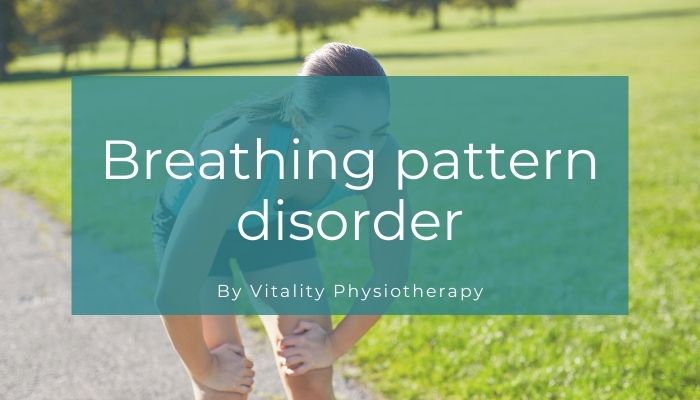
 

Long Covid: Breathing pattern disorder


Without it, life cannot be sustained, it is as simple as that. Breathe in, breathe out, our simple but most important automatic reflex-controlled function. Most of the time, our brain and reflexes do all the work for us. Have you ever observed a sleeping baby, breathing gently as their chest rises and falls, effortless and without any conscious process involved?

When the demand arises, we can consciously decrease or increase our rate of breathing. Do you remember the days of “hide and seek” when the suspicious seeker was dangerously so close you’d dare not breathe, or the exhilaration associated with the rapid preparatory breathes I take before that first jump off the highboard at the local swimming pool?

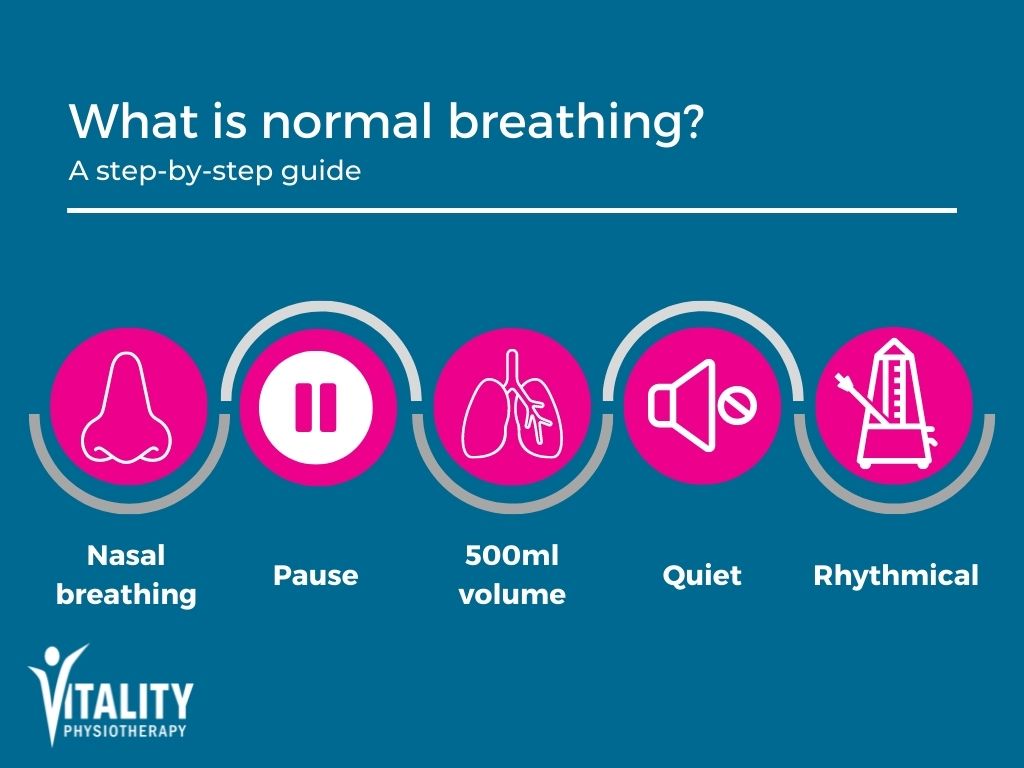
What is a normal breathing pattern?

  • Gentle breathing through the nose
  • Breathing in for 1-1.5 sec
  • Breathing out for 1.5-2 sec
  • Pause between in and out breath
  • Take 10-14 breaths per minute in adults
  • Breathe about 500ml of air per breath
  • Breathing is quiet


The normal breath cycle

Sometimes it goes wrong and our breathing becomes dysfunctional. What is dysfunctional breathing (DB)?

This can occur with heavy exercise, strong smells, cold weather, stress or other triggers. People would breathe rapidly through the mouth, breathe using the upper chest. The accessory neck muscles work hard and you will effectively hyperventilate.

The primary symptom is often breathlessness but is usually clarified as a feeling or need for more air or “air hunger”. Additionally, DB may cause non-respiratory symptoms such as dizziness and palpitations. It has been identified across all ages. In the United Kingdom, its prevalence is approximately 9.5% among adults.

What happens when we breathe?

We breathe in air containing a mixture of oxygen (O2) and carbon dioxide (CO2) and other gases. Our bodies process and use some of the inhaled oxygen to make energy, and creates carbon dioxide as a result. When you breathe out the air contains less oxygen and more carbon dioxide. However, carbon dioxide is not just a waste product of our body’s processes, it also has a vital role in regulating the pH of the blood. During stressful situations, a higher level of CO2 in your blood, helps your body to produce adrenaline which will help you flee from danger.

How does hyperventilation affect our bodies?

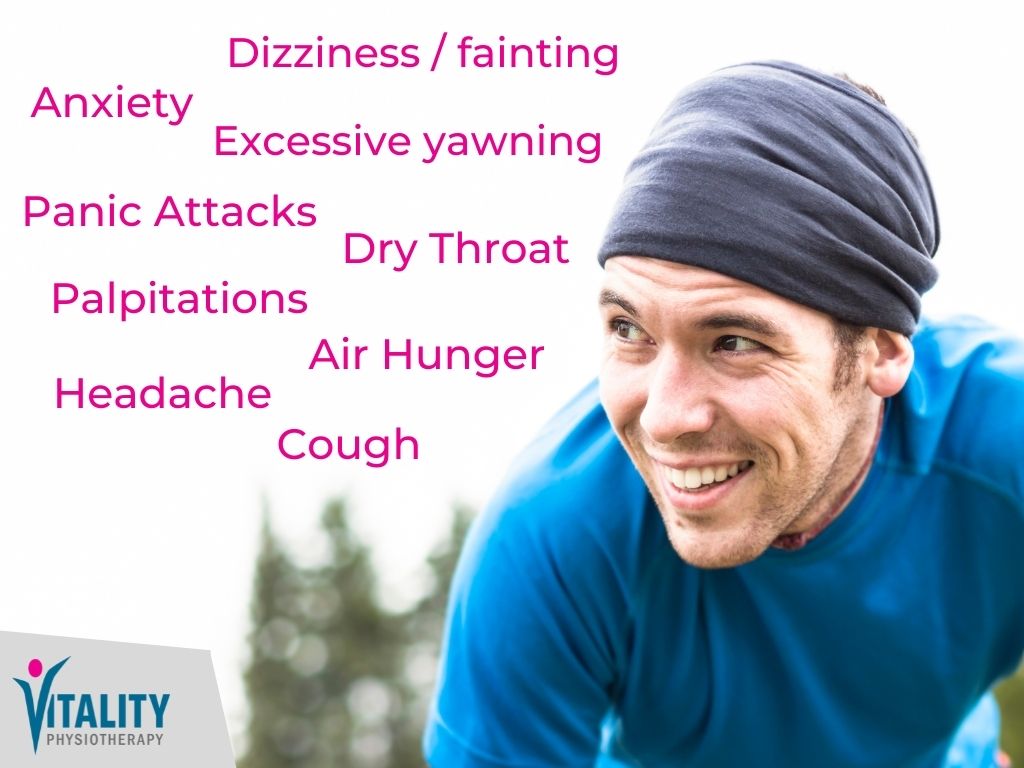
Some of the most common symptoms of hyperventilation

When we hyperventiltate, and there is less CO2 and more O2 in the blood, this causes respiratory alkalosis, or decreased acidity of the blood. This causes our blood vessels to constrict and causes reduced blood supply to the brain, among other things. This causes a feeling of light-headedness and pins and needles in the fingers, muscle cramps and exhaustion.

When overbreathing becomes regular and more permanent, the brain recognizes this lower level of carbon dioxide and accepts it as being normal. Consequently, the body is constantly on alert. This cycle of hyperventilation causes a self-perpetuating cycle, that fuels back into the system making you feel more anxious, more breathless and more hungry for air.

We also alter our posture significantly when we over breathe, adopting hunched-up shoulders as a result of rapid breathing. This causes us to use our neck accessory muscles to help draw air into our lungs. Prolonged and ongoing use of these neck muscles can cause an aching neck and stiff shoulders. Typically we can overuse sternocleidomastoid and scalene muscles which are at the front of our necks to do so. Check out this helpful video to hear more about breathing pattern disorder.

Our Waterloo location has reopened!

The wait is over and the clinic has now been completely refurbished.

Come and visit us at Roupell Street from Monday the 24th of February and enjoy our new comfortable setting.

Picture by Tom Reading – Creative Commons Attribution 2.0 Generic (CC BY 2.0)

Our Waterloo location has re-opened!

The wait is over and the clinic has now been completely refurbished.

Come and visit us at Roupell Street from Monday the 24th of February and enjoy our new comfortable setting.

Picture by Tom Reading – Creative Commons Attribution 2.0 Generic (CC BY 2.0)


Temporary London location while we are refurbishing!

We are pleased to announce that the Clinic will be undergoing large scale renovations this Summer. We expect works to be completed by November 2019. In the meantime, we will be treating all our patients a mere stone’s throw away, still in Southwark.

We will be running our clinic at:
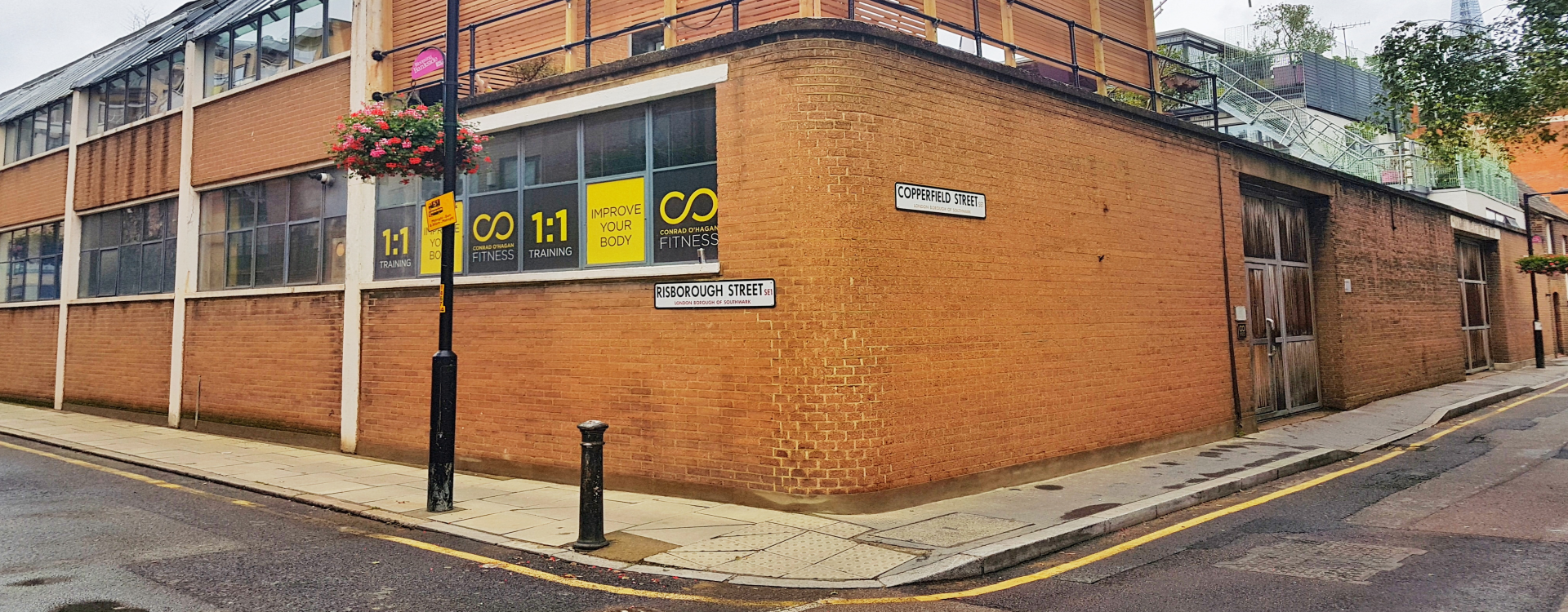
Conrad O’Hagan Fitness Studio
38 Copperfield St, London SE1 0EA

You can still book online as usual here:
https://www.vitality-physio.co.uk/book-an-appointment-online/

Should you have any questions or concerns, please email us on info@vitality-physio.co.uk or call us on 020 7193 9928.