
Knee Pain in the Growing Athlete
A Practical Guide for Parents in Esher and Surrey
Written by George Eaton MSK Physiotherapist
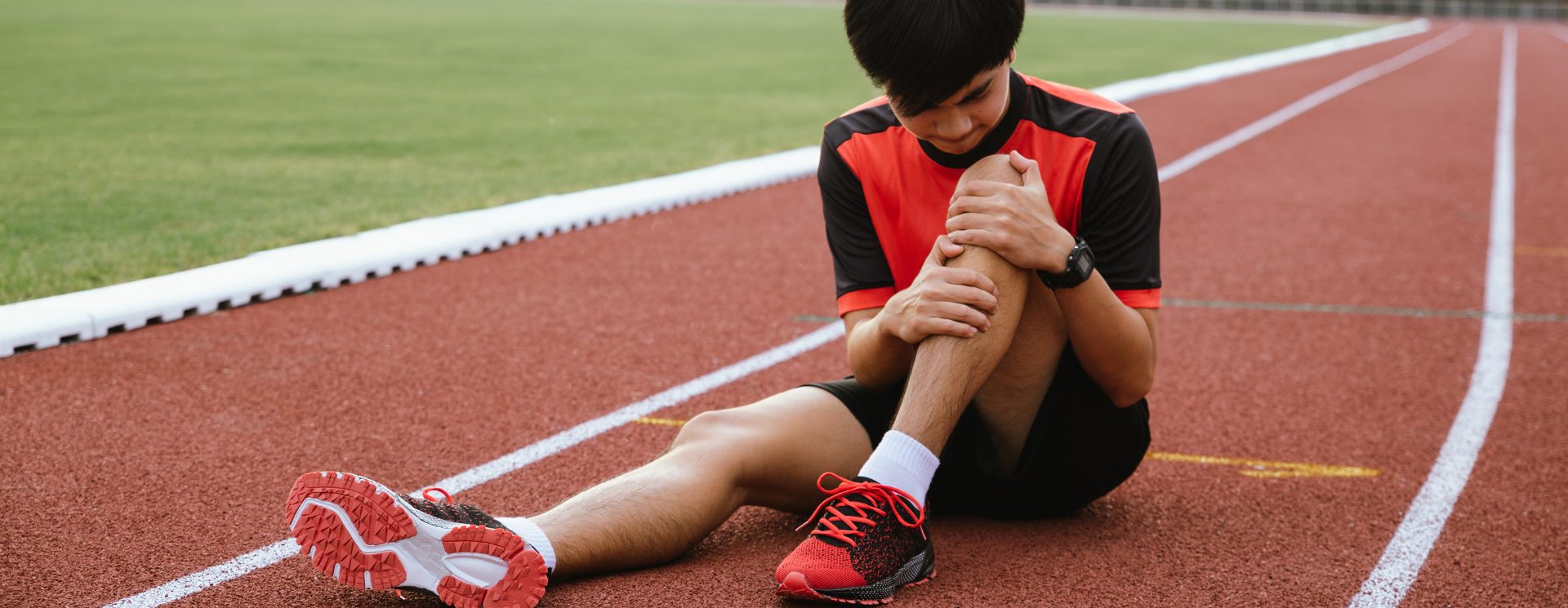
Knee pain at the front of the knee is one of the most common reasons active young people come to see us. Whether they play football, rugby, netball, or athletics, many adolescents in Esher experience this at some point — and it can feel alarming when your child starts limping off the pitch.
The reassuring truth is that in the vast majority of cases, this type of knee pain is not serious. It has a predictable cause, a clear diagnosis, and responds well to the right management. With the right approach, most young athletes do not need to stop sport completely — they just need guidance on how to stay active sensibly.
This guide explains why it happens, what the three most common conditions look like, and what to expect from physiotherapy treatment.
Why Do Knees Struggle During Growth Spurts?
During adolescence, bones can grow rapidly over a short period — sometimes gaining several centimetres in a matter of months. The muscles and tendons that attach to those bones take longer to adapt, which creates increased tension at the points where tendons meet bone.
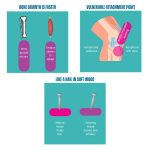
These attachment points (called apophyses) are temporarily softer and more vulnerable during growth, making them sensitive to the repeated stress of running, jumping, and change of direction. Think of it like a nail pulling at soft wood — the same force that would hold firm in a mature structure creates movement and irritation in a growing one.
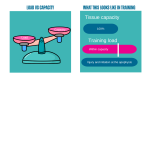
Add to this the fact that many young athletes are increasing training volume or competing more frequently, and you have the classic recipe: a mismatch between what the tissue can handle and what is being asked of it.
The Three Most Common Conditions
Understanding the differences between these three conditions matters, because the exact location of pain is the single most useful clue to what is happening.
Osgood-Schlatter Disease
This is the most well-known of the three and typically affects adolescents aged 10–15 during a growth spurt. Pain is felt at the tibial tuberosity — the bony bump just below the kneecap — and is often accompanied by visible or palpable swelling at that site.
Symptoms are aggravated by running, jumping, kneeling, and going up or down stairs. They often fluctuate with activity, improving during rest and flaring with heavier training. In some cases, a small bony prominence remains after symptoms resolve — but this is usually painless and does not affect long-term function.
Sinding-Larsen-Johansson Syndrome
This condition occurs slightly higher up, at the inferior pole of the patella (the bottom of the kneecap), where the patellar tendon originates. It tends to affect slightly younger adolescents and can sometimes be mistaken for tendon pain because of its location.
Pain is aggravated by explosive activities — sprinting, kicking, and jumping — but unlike Osgood-Schlatter, there is usually no visible bony swelling. The diagnosis is primarily clinical, based on where the pain is located.
Patellar Tendinopathy
Patellar tendinopathy is a tendon overload condition rather than a growth-related problem, and is particularly common in older teenagers involved in jumping and court sports. Pain is felt within the tendon itself, typically at or just below the kneecap.
The pattern of symptoms is subtly different: stiffness and pain may be worse at the start of activity, ease as the tendon warms up, and then return afterwards. It is closely linked to spikes in training load — a sudden increase in sessions, a change in playing surface, or a run of tournaments in a short period.
Unlike the apophyseal conditions, patellar tendinopathy can persist if load is not managed carefully — but it responds very well to structured strengthening programmes.
How Do We Tell the Difference?
The table below summarises the key clinical differences. Exact pain location is the most reliable differentiator:
| Condition | Pain Location | Key Features |
| Osgood-Schlatter | Bony bump below kneecap | Visible lump; worse with running, jumping, kneeling |
| Sinding-Larsen-Johansson | Bottom of the kneecap | No lump; worse with sprinting and kicking |
| Patellar Tendinopathy | Within the tendon | Stiff at start; eases mid-activity; load-related |
Additional clinical clues include a visible bony bump (more likely Osgood-Schlatter), a recent growth spurt (supports either apophyseal condition), and a load-related pattern of stiffness that eases with warm-up (more suggestive of patellar tendinopathy).
Does My Child Need to Stop Sport?
In most cases, complete rest is neither necessary nor helpful. Research — and clinical experience — consistently shows that staying active, with the right modifications, tends to produce better outcomes than stopping altogether. Movement supports tissue adaptation; inactivity does not.
Instead of stopping, the goal is to manage load intelligently. This might mean reducing training intensity, limiting high-impact drills, or temporarily stepping back from competition while maintaining structured exercise.
A practical guide: the pain-monitoring model
- Mild discomfort during activity — up to around 3–4 out of 10 — is acceptable
- Pain should settle within an hour of finishing exercise
- Symptoms should not be worse the following morning
If your child consistently breaches these thresholds, it is a signal to reduce load. If they stay within them, they are likely managing well.
What Does Physiotherapy Involve?
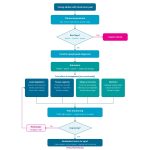 At Vitality Physiotherapy, our approach focuses on restoring the balance between load and tissue capacity — not simply resting the painful area and hoping for the best.
Assessment begins with a thorough clinical examination to confirm the diagnosis and understand any contributing factors: training load, growth history, movement patterns, and overall lower limb strength.
Treatment typically includes:
- Targeted strengthening for the quadriceps, glutes, and calf muscles
- Flexibility work for the quadriceps, hamstrings, and calves
- Movement pattern assessment — running mechanics, landing control, squat technique
- Graduated return-to-sport planning with clear milestones
- Education for both athlete and parent around load management and growth
We also work closely with coaches where helpful, particularly around adjusting training load during flare-ups or growth spurts. Supporting the whole athlete — not just the knee — is what makes the difference.
How Long Does Recovery Take?
Both Osgood-Schlatter disease and Sinding-Larsen-Johansson syndrome are self-limiting — meaning they resolve naturally once the growth plates mature. Symptoms may last from a few months to one to two years, depending on how quickly your child is growing and how well load is managed during that period.
Patellar tendinopathy has a slightly different timeline. It can take longer to settle if load is not addressed early, but with a structured rehabilitation programme, significant improvement is typically seen within eight to twelve weeks.
In both cases, the young people who do best are those who stay engaged with their rehabilitation, remain active in a modified way, and have family and coaching support around their training.
When Should You Seek Help?
We recommend a physiotherapy assessment if:
- Pain is limiting sport, PE, or daily activities
- Symptoms have been present for more than two to three weeks
- There are repeated flare-ups with return to sport
- There is uncertainty about the diagnosis or whether it is safe to continue
Seek urgent assessment if:
- Pain is sudden and severe
- There is significant swelling around the knee
- Your child cannot straighten the knee or bear weight
Ready to get your young athlete back on track?
We see adolescent patients at our Esher clinic in Surrey KT10 and our London SE1 clinic in Southwark. Our team has extensive experience in assessing and managing anterior knee pain in young athletes, and we aim to have young people seen quickly so they can get back to doing what they love.
Book an appointment at vitality-physio.co.uk or call us to speak to a member of our clinical team.
Vitality Physiotherapy | Women’s Health & Musculoskeletal Physiotherapy
Esher, Surrey KT10 | London SE1 | vitality-physio.co.uk